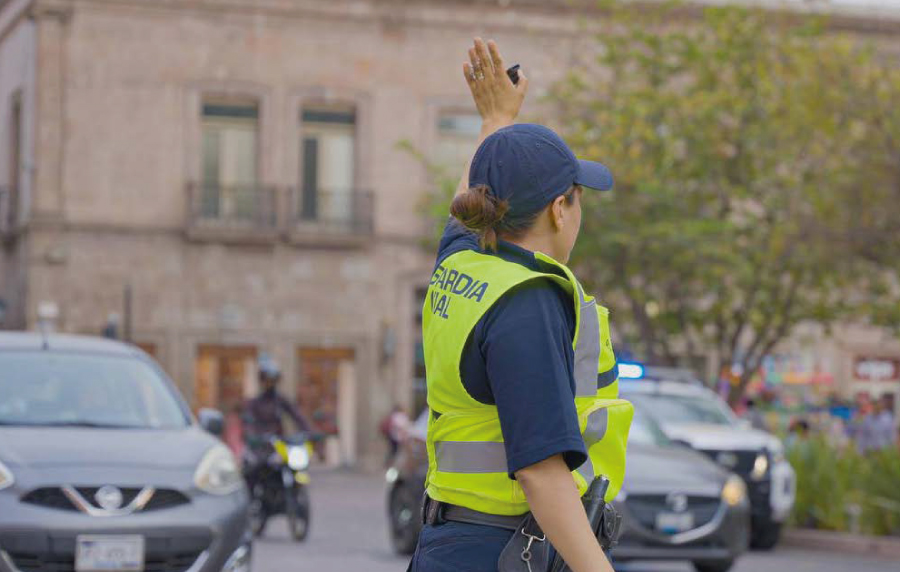
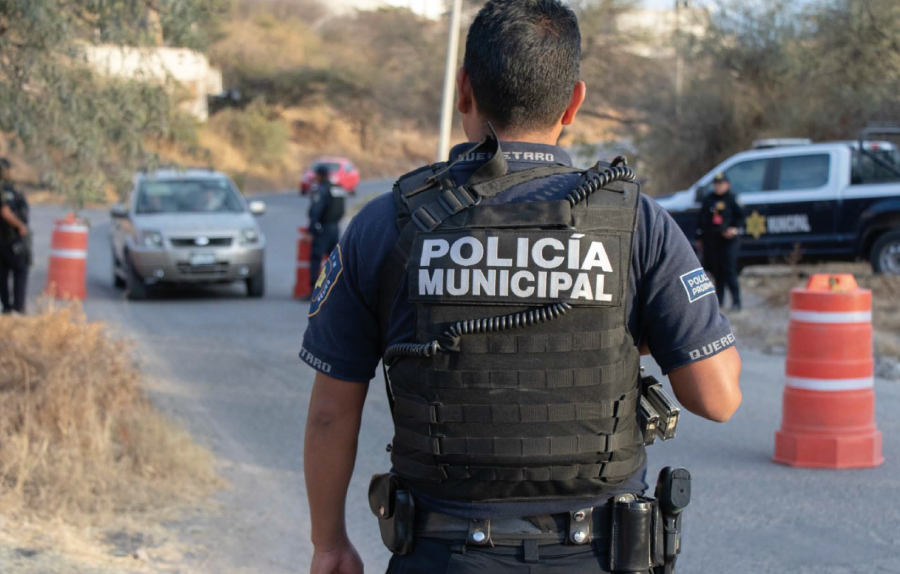
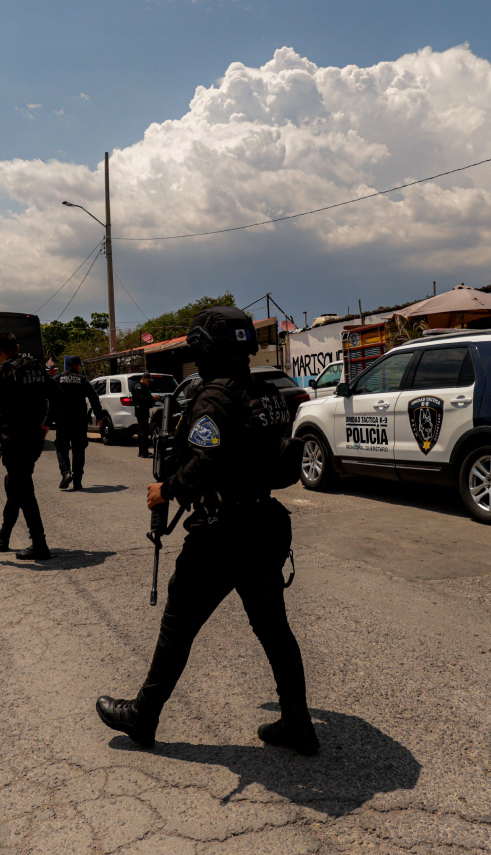
A policing system involves general and specific crime prevention, investigation for case resolution, prosecution of crimes, and enforcement of administrative offenses, as well as the promotion of citizen participation in preventive actions. For this reason, the Municipality of Querétaro remains committed to maintaining a toplevel police force, with trained personnel working under dignified conditions.
In alignment with the Querétaro 2050 Plan, Axis 1. Preventive and Just Querétaro of the Municipal Development Plan 2024–2027 includes citizens’ perception of insecurity as a key indicator. In this area, Querétaro ranks as the seventh state with the lowest percentage nationwide, according to the 2024 National Survey on Victimization and Perception of Public Security.
Its objective is to guarantee harmonious coexistence and the comprehensive development of families, organizations, and individuals, fully exercising their rights within an environment where safety, tranquility, and social peace prevail. To achieve this, the strategy is to strengthen security through a police force that is approachable, professional, and properly trained.
On September 7, 2020, the Command, Control, Communication, and Computing Center (C4) was inaugurated. A total of 95 guided tours were conducted, benefiting 998 people. The primary goal of these activities is to promote a culture of legality by reinforcing values such as legitimacy, respect, solidarity, and freedom, in order to guarantee harmonious coexistence in society.
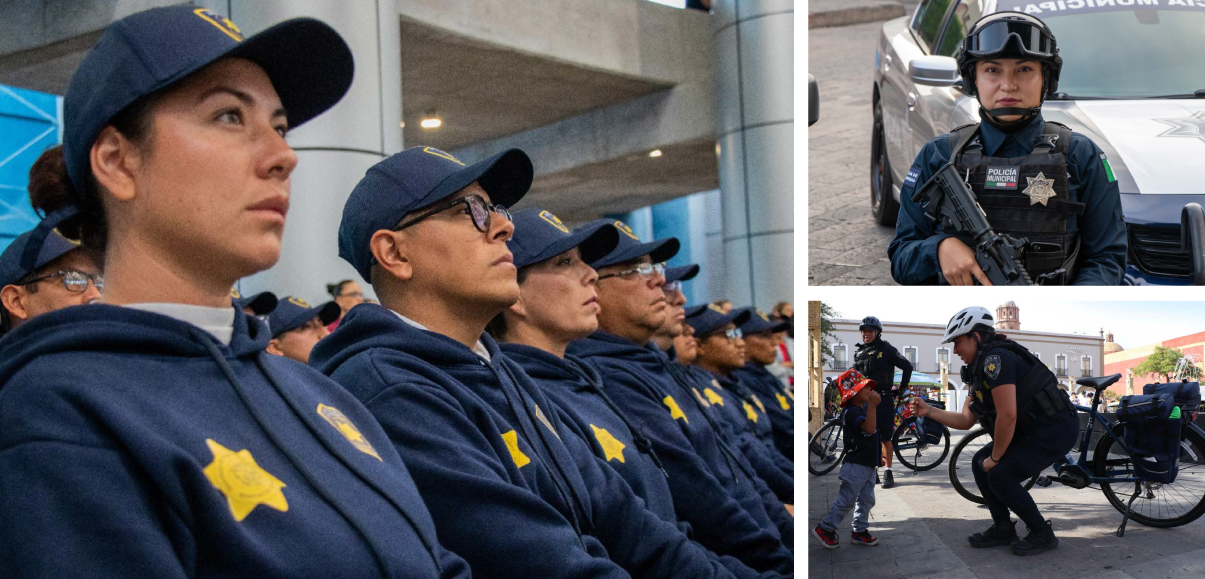
In compliance with the General Law of the National Public Security System and in accordance with applicable regulations, evaluations were conducted for municipal police personnel. Of these, 36.6% corresponded to basic competencies, 31.9% to trustworthiness assessments, and 31.5% to performance evaluations.
Evaluations Applied to
Police Personnel, 2024
Basic functional
competencies
Trustworthiness
assessment
Performance

This program establishes strategies for building a peaceful Querétaro by promoting civic culture and governance through actions and programs focused on the social prevention of violence and crime, with the goal of strengthening effective justice procurement.
The Comprehensive Centers for Social Prevention (CIPRES) operate under the principles of prevention and social cohesion, offering workshops, courses, and training sessions that have benefited over 400 neighborhoods in the municipality. These activities are carried out with the support of change promoters and in collaboration with various institutions. Notably, attendance at the centers increased by 9.8% compared to 2023.
Police interventions provided assistance to both direct and indirect victims, with a higher incidence of impacts on women. This trend underscores the importance of maintaining preventive measures and specialized care, particularly with a gender-sensitive approach.
The delegations with the highest number of interventions were Félix Osores Sotomayor with 23.7%, Epigmenio González Flores with 21.4%, and Felipe Carrillo Puerto with 16.1%. Of the total reports addressed, the majority were follow-up cases, followed by domestic violence incidents and activations of the Alba Protocol.
The Municipal Civil Protection Coordination is part of the working group established by the State Commission for Regulatory Improvement to review and reform the State Civil Protection Law. In 2024, this agency confiscated 2.3% more pyrotechnics in the municipality compared to the previous year.
This research stems from the need to develop a poverty measurement that complements the results provided by the National Council for the Evaluation of Social Development Policy (CONEVAL). This led to the creation of the Poverty by Shortages Index (IPC, for its initials in Spanish), an instrument that operates independently from the established welfare thresholds and focuses exclusively on individuals identified by CONEVAL as living in poverty.
The added value of this index lies in its sensitivity to inequality within poverty itself. Its main advantage is that it simplifies the presentation of the country’s social status and, based on its findings, makes it possible to formulate targeted public policy recommendations. These guidelines help identify which specific deprivations government actions should address to have a greater impact on reducing hardship, both for those on the verge of overcoming poverty and for those facing conditions of marginalization.
The city of Querétaro stands out for its levels of safety, economic development, and quality of services, as well as for its social and cultural conditions, all of which contribute to the well-being of its population. According to Numbeo’s 2024 Quality of Life Index, it ranks 4th globally, positioning it among the best cities in the world to live in.
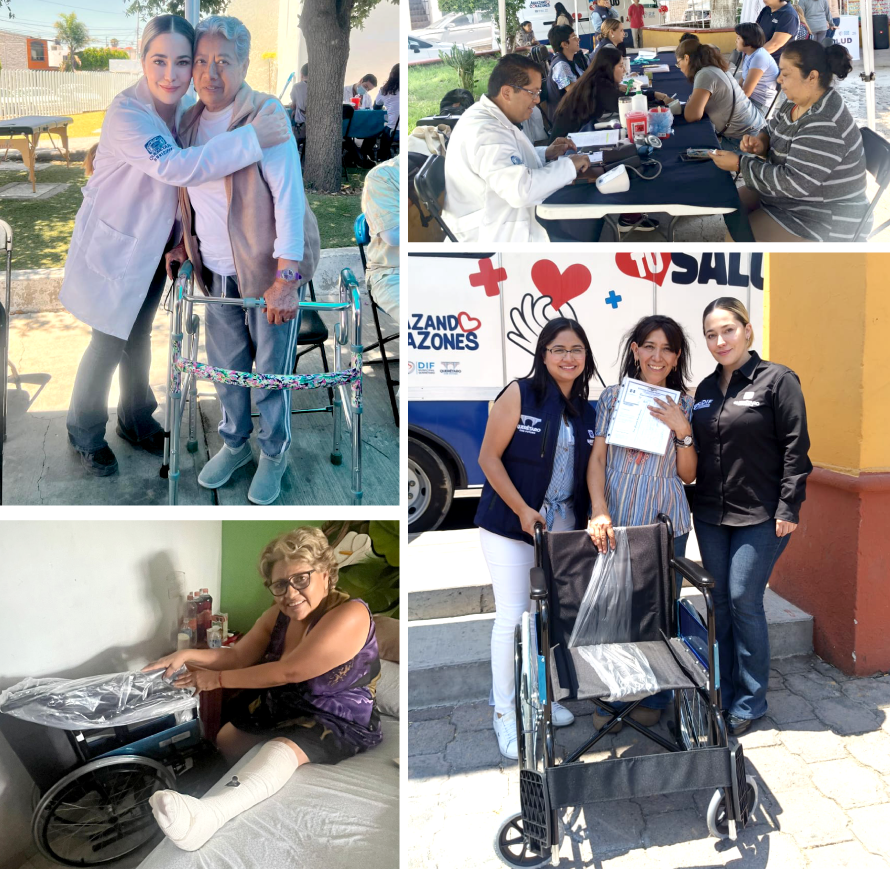
Since October 1, 2024, the Municipal Institute for Human Rights and Social Inclusion (IMDHIS) has been open to the public at the Civic Center offices in Querétaro. This organization has distinguished itself by generating significant results for the benefit of citizens.
According to the 2024 National Survey on Demographic Dynamics (ENADID), prepared by the National Institute of Statistics and Geography (INEGI), only 2,009 companies in Querétaro reported having hired people with disabilities. This highlights a lag in the private sector regarding inclusion, as only 2.0% of establishments employ personnel in this condition.

The National Migration Institute (INM) is the agency responsible for planning, executing, supervising, and evaluating migration services in Mexico, as well as handling related matters through its regional offices across the states. In 2024, an increase was recorded in the inflow and outflow of foreign nationals in the state.
Foreign nationals with temporary or permanent residency (January–November 2024)
Repatriation of Mexican nationals
Record of international
arrivals at AIQ
This is a year-round initiative designed to prevent abuses, serving as a tool to protect the fundamental human rights of a significant sector of the population. Its main goal is to ensure that Mexican nationals who enter, travel through, or leave the country receive dignified and lawful treatment through the following actions:
• Respond to and follow up on complaints and requests for assistance.
• Disseminate information on legal obligations, rights, and social programs in Mexico.
• Protect the physical integrity and property of individuals.
• Raise awareness
The service offers year-round phone support, along with assistance and follow-up on complaints and requests. During special operations in Easter, summer, and winter, interagency collaboration efforts are intensified and information booths are set up throughout the country.
The Municipality of Querétaro, through the Ministry for Women, is responsible for promoting, fostering, formulating, implementing, and evaluating public policies, programs, and actions aimed at ensuring substantive equality between women and men.
The Municipal Institute for Women reported that in 2024, it provided 1,446 legal assistance services to 316 women and carried out two gender awareness programs targeted at schools, companies, public officials, and the general population.
1. Substantive Equality Program for Women and Men. Of the total beneficiaries, 63.0% were women and 37.0% were men.
2. Program to Address, Sanction, and Eradicate Violence Against Women. Of the total beneficiaries, 63.0% were women and 37.0% were men. Additionally, 10 visual campaigns were carried out.



Female students enrolled
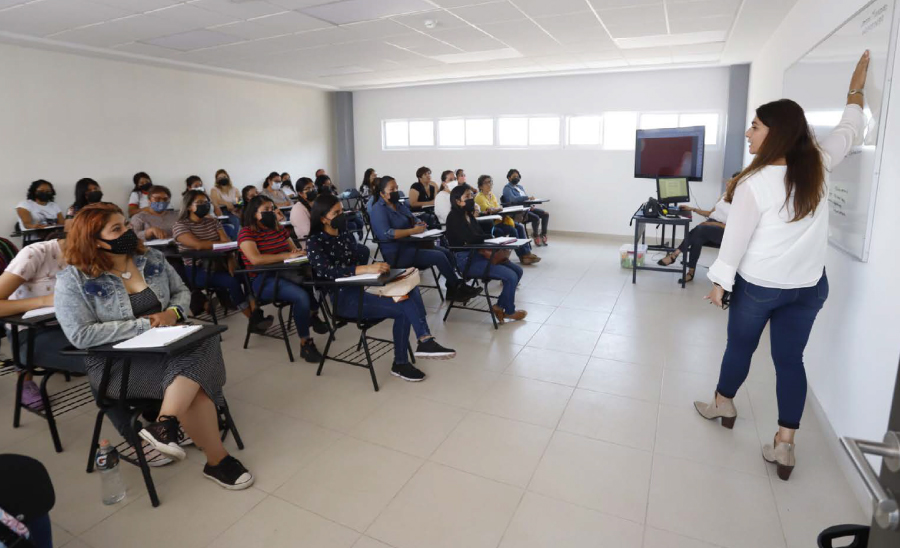
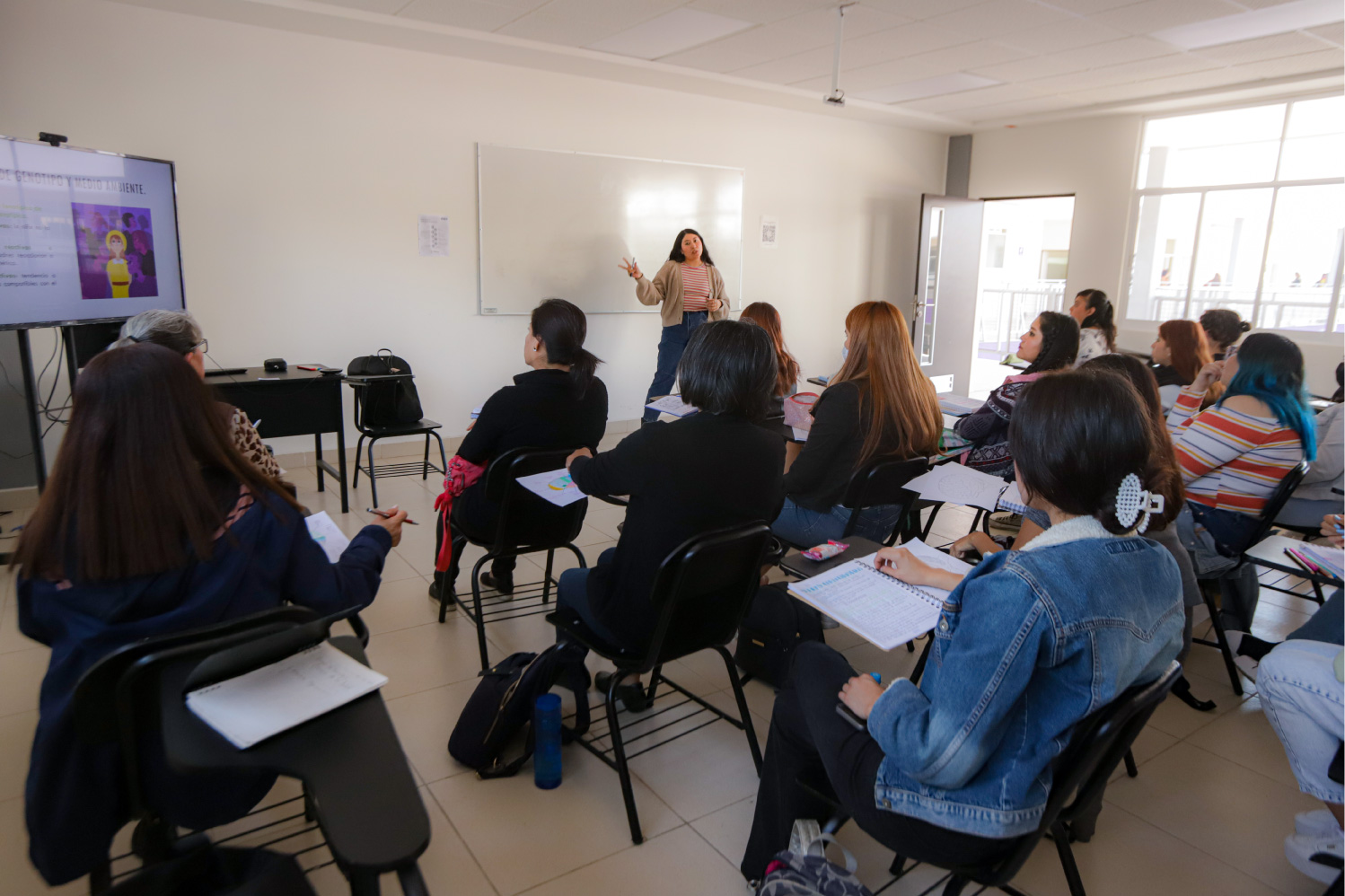
Its main objective is to strengthen the educational development of women in the municipality of Querétaro through training and educational programs that broaden their opportunities for growth and personal advancement.
The university offers an academic program made up of bachelor’s degrees lasting 3 to 4 years, under a trimester-based system with flexible modalities that adapt to women’s needs: traditional (Monday to Friday, morning or afternoon shifts), executive (Saturday mornings or afternoons), and online (platform available 24/7).
In 2024, the university launched three enrollment calls with students registered in high school, bachelor’s, and master’s levels. Compared to the previous year, this represented an increase of 22.2%.
The Human Rights Ombudsman’s Office of Querétaro (DDHQ, per its acronym in Spanish) is an autonomous public body responsible for protecting, promoting, and ensuring respect for universal and fundamental human rights, with the aim of enabling individuals to live fully and equally. Its actions encompass access to healthcare, justice, and education, as well as the promotion of freedoms such as belief, expression, movement, and equality before the law, among others. Its key objectives include:
Contributing to the comprehensive development of the citizenry.
• Creating conditions that allow all individuals to actively participate in public affairs and community decision-making.
• Establishing limits on the actions of public servants—regardless of their hierarchical level or the government institution they belong to (federal, state, or municipal), in order to prevent abuse of power, negligence, or ignorance of their duties.
• Ensuring that all individuals enjoy the autonomy to pursue a dignified life plan, protected from abuses by authorities, public servants, or private individuals.
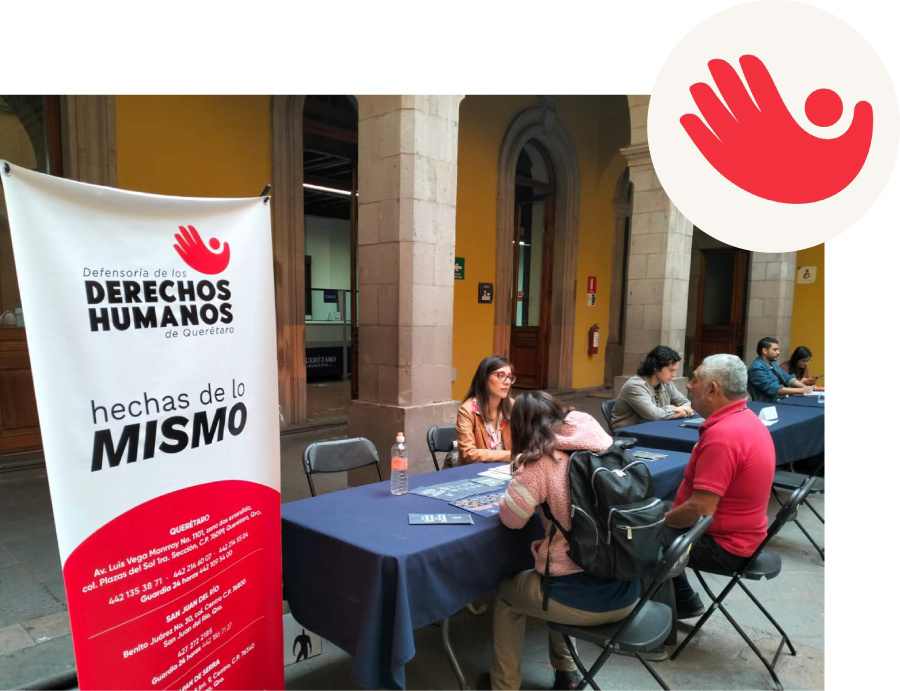
Civil Society Organizations (CSOs) aim to promote the common welfare of individuals who, due to their vulnerable condition, require some form of support or assistance; the aid they provide is non-profit.
In Mexico, there is a document used to identify CSOs known as the Unique Registration Code in the Federal Registry of Civil Society Organizations (CLUNI per its acronym in Spanish), which enables CSOs to receive various types of support and to issue tax-deductible receipts. At the same time, it obligates them to comply with their established programs.
To apply for CLUNI, a CSO must be legally incorporated and have one of the following legal designations: Civil Association, Civil Society, Private Charitable Institution, Private Charity Association, Charitable Board of Trustees, or Private Assistance Institution. They must not engage in for-profit activities, or in partisan, electoral, or religious proselytism, and they must carry out one of the activities listed in Article 5 of the Federal Law for the Promotion of Activities Carried Out by Civil Society Organizations (LFFAROSC per its acronym in Spanish), such as:
• Social assistance. • Gender equity. • Community nutrition. • Provision of services for the care of socially disadvantaged groups. • Cooperation for community development