The state of Querétaro is located in the central region of the Mexican Republic and borders the states of Guanajuato, Hidalgo, Michoacán, San Luis Potosí, and the State of Mexico. It is made up of 18 municipalities, among which the municipality of Querétaro stands out for its economic, administrative, and demographic importance.
For 2024, the National Population Council (CONAPO) estimated, based on the population projections for the municipalities of Mexico (1990-2040), a practically balanced distribution between men and women.
In the state of Querétaro, the capital ranked as the municipality with the highest number of inhabitants, recording an increase of 29,224 people in 2024 compared to the previous year.
Following a trend similar to that of the previous year, in 2024 the municipal population structure showed a higher percentage of women (51.0%) compared to men (49.0%).
In the municipality of Querétaro, the age group that makes up the largest share of the population corresponds to people aged 30 to 59, while the smallest share belongs to those aged 65 and over.

According to the World Health Organization (WHO), health is “a state of complete physical, mental and social well-being and not merely the absence of disease or infirmity.” Everyone should have access to quality healthcare services, as well as to strategies that promote wellbeing within their communities.
This implies a comprehensive condition that encompasses the optimal functioning of the body, regular physical activity, disease prevention, emotional and cognitive well-being, and the ability to adapt to the demands of daily life.
Emotional balance enables individuals to face challenges, manage stress, develop skills, perform functions, work, and establish interpersonal relationships. In the municipality of Querétaro, in 2024, 4 mental health centers were operating, providing care to a large number of people, of whom 55.5% were women and 44.5% were men.

It is a voluntary act that can save or improve lives. In the state of Querétaro, during 2024, 26.6% of donors were women and 73.4% were men. Since one person can donate more than one organ, records include donations of kidneys, liver, corneas, and others.
The age group with the highest number of records corresponds to individuals between 49 and 59 years old, representing 29.8% of the total.
This contraceptive method contributes to family planning and, consequently, to the orderly growth of the population. A comparison between data from 2020 and 2024 shows a significant increase in its use, reflecting a greater adoption by the population as a means of preventing pregnancy.
This is the institution where citizens can officially register and certify civil status events such as birth, marriage, death, and parentage, among others. These procedures ensure the certainty, authenticity, and public record of such events, granting legal validity to individuals’ identity and legal status.
In 2024, the municipality of Querétaro had 12 Vital Records offices, distributed as follows: 7 in municipal delegations, 4 in hospitals (Hospital de Especialidades del Niño y la Mujer, IMSS Hospital, ISSSTE General Hospital, and Hospital San José), and 1 at the Querétaro Civic Center.
That same year, the proceedings recorded by the Municipal Vital Records Office were distributed as follows: births, 51.1%; deaths, 26.3%; marriages, 14.5%; divorces, 5.5%; acknowledgments of paternity, 1.5%; registration of foreign certificates, 0.9%; and adoptions, 0.2%.

It is a fundamental pillar of both the global and local economy, as it drives growth, generates employment, and improves access to goods and services. It contributes to poverty reduction and broadens economic opportunities by allowing individuals, companies, and countries to specialize in their strengths and engage in mutually beneficial exchanges.
International trade aims to provide nations with products they lack in exchange for those they produce in abundance. These transactions, along with other economic policies, help improve living standards.
According to the Ministry of Economy, its purpose is to generate lasting interest for long-term economic or business purposes by a foreign investor in the host country. It is also a key catalyst for development, with the potential to create jobs, increase savings, attract foreign currency, foster competition, facilitate technology transfer, and boost exports—positively impacting the productive and competitive environment of a nation by offering a greater variety of products at better prices. The following are considered FDI:
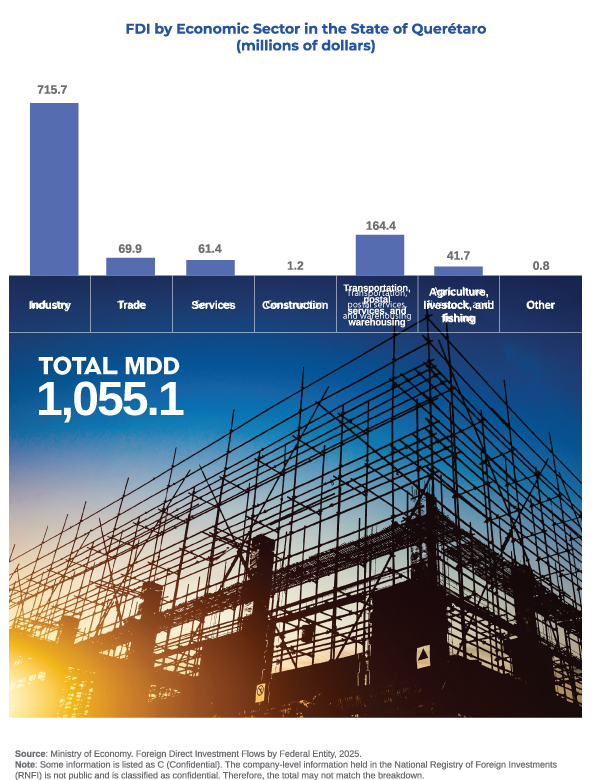
• The participation of foreign investors in the equity of Mexican companies.In 2024, foreign direct investment in Querétaro recorded a 4.7% decrease compared to 2023. Of the total received, 2.3% corresponded to new investments, 81.7% to reinvestment of profits, and 16.0% to intercompany accounts. At the national level, Querétaro ranked tenth, accounting for nearly 3% of the total.
Similar to the national trend, in 2024 Querétaro received its largest inflow of foreign direct investment from countries such as the United States of America, Germany, and Canada, as well as from nations like Spain, Brazil, Denmark, and Austria.
In the same year, at the state level, foreign direct investment by economic sector was primarily concentrated in industry, with 67.8%, followed by transportation, postal services, and warehousing, with 15.6%, and trade, with 6.6%. The remaining 10.0% corresponded to other sectors.
Mexico’s trade liberalization and the international treaties it has signed have contributed to the country’s economic growth by creating new employment opportunities, attracting foreign direct investment, increasing productivity and income, and enhancing competitiveness. All of this has had a positive impact on living standards and the population’s economic and social well-being.
Currently, Mexico has a network of 14 Free Trade Agreements (FTAs) covering 52 countries; 30 Agreements for the Promotion and Reciprocal Protection of Investments (APPRIs) with 31 nations or administrative regions; and 9 Economic Complementation and Partial Scope Agreements within the framework of the Latin American Integration Association (ALADI).
In addition, Mexico actively participates in multilateral and regional organizations and forums, such as the World Trade Organization (WTO), the Asia-Pacific Economic Cooperation (APEC), the Organisation for Economic Co-operation and Development (OECD), and the Latin American Integration Association (ALADI).
The North American Free Trade Agreement (NAFTA) transformed Mexico’s trade relationship with the United States of America and Canada by driving the modernization of its manufacturing base, as well as its agricultural and agro-industrial sectors. This integration into global value chains strengthened Mexico’s role in the global economy and boosted foreign investor confidence.
Since its entry into force, the treaty has made Mexico an attractive destination for foreign investment by multinational companies and has steered the country toward a development model based on foreign trade. This has supported economic growth and helped improve living standards in all three member countries.
The National Institute of Statistics and Geography (INEGI) published in its bulletin on Mexico’s Merchandise Trade Balance (BCMM) the timely information for December 2024, reporting a trade surplus of 2,567 million USD. This figure contrasts with the deficit of 133 million USD recorded in November.
Between November and December 2024, the increase in the trade balance was explained by a combination of a higher surplus in the non-oil products balance—from 362 million USD in November to 3,557 million in December—and a widening of the deficit in the oil products balance, which rose from 496 to 990 million USD in the same period.


In December 2024, the value of merchandise exports was 4.9% higher than in the same month of 2023. This variation reflected an increase in non-oil exports and a decrease in oil exports. Among non-oil exports, those destined for the United States rose 6.3% year-over-year, while those sent to the rest of the world grew by 4.9%.
In 2024, the total value of imports was 4.5% higher than in 2023. Within this figure, an increase in non-oil imports and a decrease in oil imports were observed. The structure of import values was as follows: intermediate goods, 75.6%; consumer goods, 14.5%; and capital goods, 9.9%.
The movement of goods across borders is carried out through the customs offices of each country, which are responsible for overseeing foreign trade operations. Their main role is to manage and regulate activities related to the entry and exit of goods, people, and capital. Their duties include fiscal control, security, health inspections, and the statistical registration of international trade.
Mexican customs offices are located along the northern border with the United States of America, the southern border with Guatemala and Belize, at strategic ports along the Pacific Ocean and Gulf of Mexico coasts, and at inland points within the national territory. Currently, Mexico has 49 customs offices, distributed as follows:
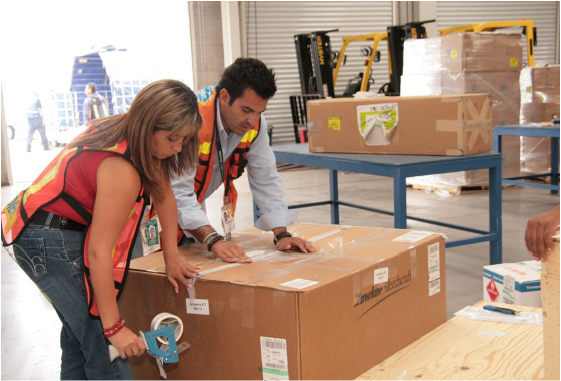
In 2024, the growth of e-commerce operations continued through courier companies such as DHL Express México, S.A. de C.V., Federal Express Holdings México y Compañía, and UPS (United Parcel Service de México, S.A. de C.V.). However, the total number of import and export customs declarations (pedimentos) recorded a 13.1% decrease compared to the previous year.
This is a fundamental practice for the economic stability of a region, as it enables the supply of services, food, goods, and products necessary to meet the basic needs of the population, while also generating income for merchants.
Trade is a fundamental pillar for both the state and the municipality of Querétaro, as it creates jobs and promotes entrepreneurship opportunities for the population, contributing to the development of a solid and sustainable economic ecosystem.
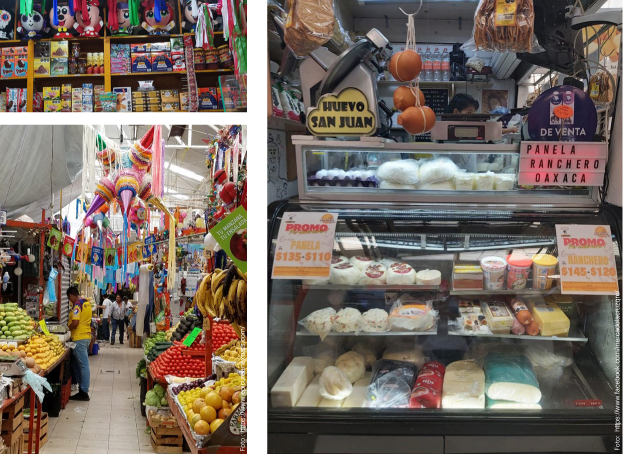
The municipality of Querétaro has the necessary infrastructure to enable the population to acquire various goods to meet their needs in areas such as food, clothing, education, health, and recreation. This is made possible by the existence, maintenance, and preservation of public markets located in the Historic Center, Félix Osores Sotomayor and Josefa Vergara y Hernández delegations.
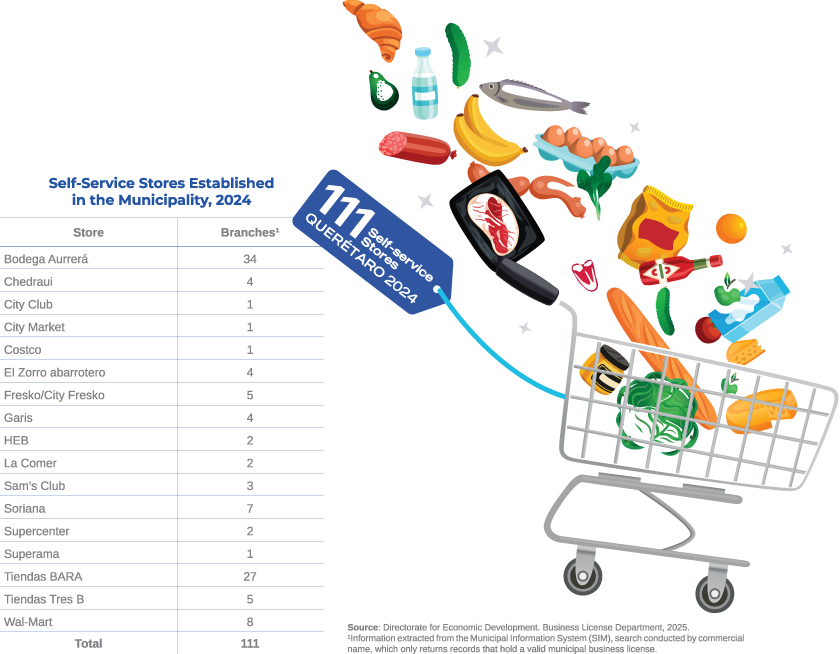
The National Institute of Statistics and Geography (INEGI) conducts the Monthly Survey of Commercial Enterprises (EMEC), which provides key indicators on domestic trade at the national level and contributes to the calculation of the Gross Domestic Product (GDP), as well as other economic indicators related to employment, intermediate consumption, final demand, and labor productivity.
In the state of Querétaro, some indicators showed increases, while others registered declines compared to the previous year. In wholesale trade, average compensation stood out with a 2.4% increase; whereas in retail trade, total compensation was notable for its 11.3% increase.
A financial system is composed of a set of institutions, markets, and instruments that organize economic activity aimed at channeling savings into investment, facilitating the flow of resources and risk management. Its main function is to act as an intermediary between savers and credit seekers.
The proper development of the economic and banking system generates benefits for the country, as greater intermediation of resources expands growth opportunities. A stable and efficient environment in this area contributes to sustained progress and the well-being of the population. For this reason, the Mexican Financial System plays a central role in the functioning and development of the national economy.
To ensure that financial institutions operate in accordance with the needs and rights of users, as well as with the legal provisions that govern them, there are authorities responsible for their oversight. Each agency performs specific functions established by law, with the objective of ensuring an orderly, transparent, and reliable system.
In Mexico, the financial system is regulated and supervised by various authorities, each with legally assigned responsibilities:
• Ministry of Finance and Public Credit (SHCP)
• Bank of Mexico (BANXICO)
• National Banking and Securities Commission (CNBV)
• National Commission of the Retirement Savings (CONSAR)
• National Insurance and Bonding Commission (CNSF)
• National Commission for the Protection and Defense of Financial Services Users (CONDUSEF)
• Institute for the Protection of Bank Savings (IPAB)
The National Banking and Securities Commission is the agency responsible for supervising the Mexican Financial System. Its main functions include consolidated supervision of financial entities, prevention and enforcement of financial crimes, and the investigation of potential violations of current regulations.
Savings and loan cooperatives, also known as cajas, are non-profit entities that carry out savings and loan operations exclusively with their members. In contrast, sociedades financieras populares (popular financial institutions) are for-profit institutions whose objective is to collect funds and grant loans or credit to the general public.
These institutions represent a key factor in the economic growth of the areas in which they operate, by offering accessible savings, investment, and credit services to the population. Their model promotes the well-being of members and their communities through educational and training principles and both individual and collective effort.
The concepts of savings and popular credit refer to the collection of resources under the terms established by the Law on Popular Savings and Credit (LACP) and the Law for the Regulation of the Activities of Savings and Loan Cooperatives (LRASCAP), from the members or clients of these entities. The institutions involved in this sector of savings and popular financing include:
This is a fundamental activity for the development and orderly growth of cities and functional, sustainable, and livable spaces. It helps prevent issues such as congestion, resource shortages, and environmental degradation, while promoting cohesive communities, social inclusion, and citizen participation.
The Ministry of Public Works and the Ministry of Urban Development of the Municipality of Querétaro promote urban growth based on principles of balance, productive use, and sustainable urbanization, benefiting over one million residents.
Throughout 2024, various infrastructure projects were carried out across the municipality’s delegations, with an investment exceeding 590.9 million pesos.
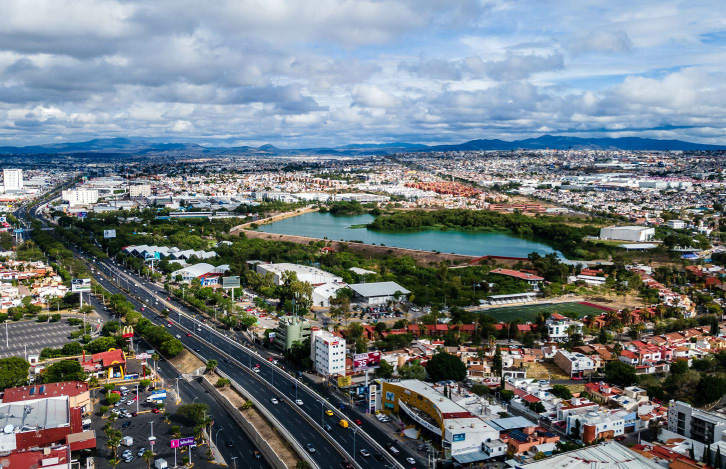
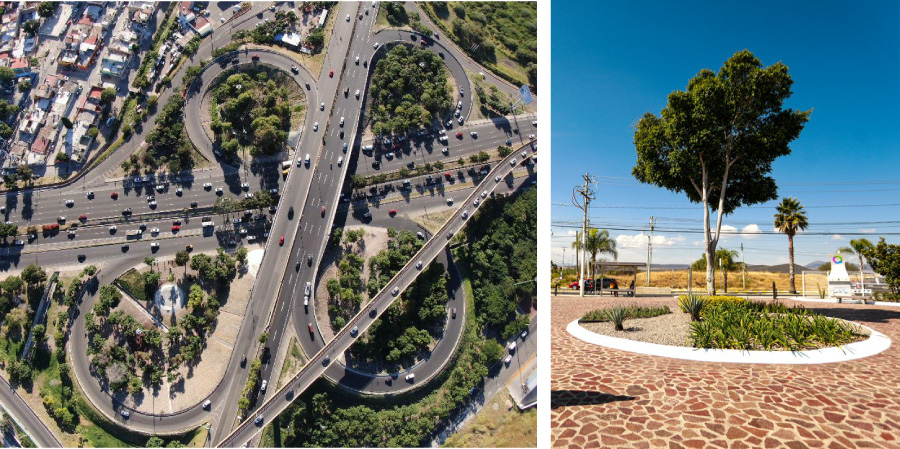
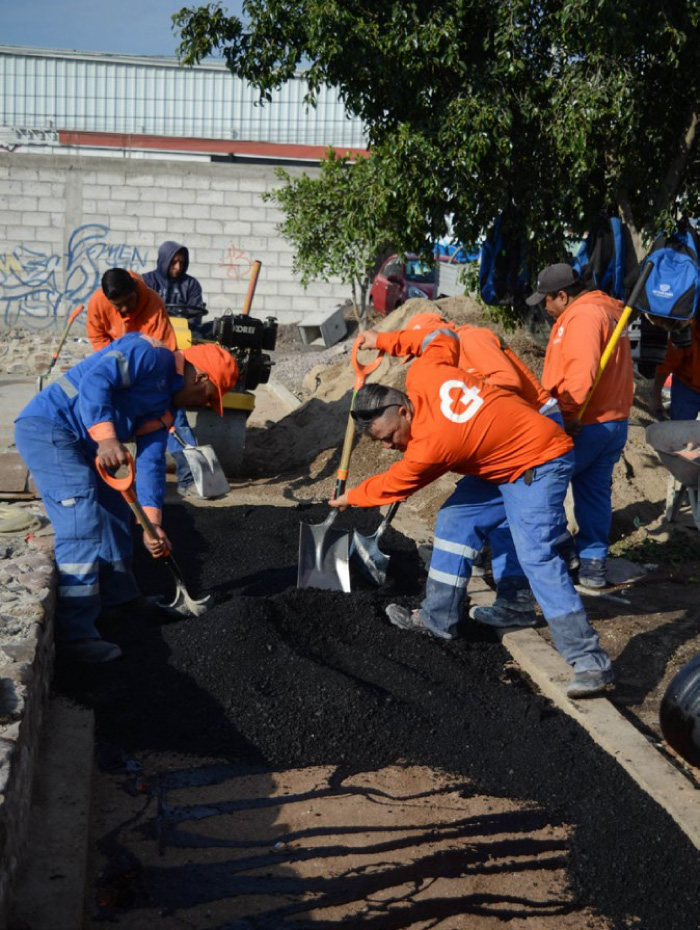
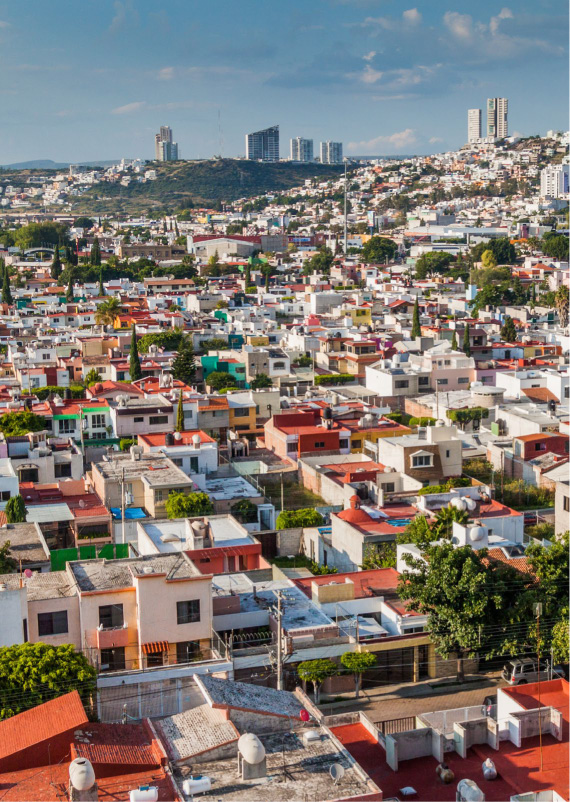
The Municipality of Querétaro benefits from a privileged and strategic geographic location in the center of the country, which presents a significant challenge in terms of urbanization, as it seeks to maintain and improve the quality of life of its residents.
In 2024, the Ministry of Urban Development carried out actions related to land use regulation and urban management. Compared to 2023, there was a 5.6% decrease in these procedures.
The procedures issued in this area had a direct impact on the urban development of the municipality. Compared to 2023, there was a decrease of 780 procedures, representing a 7.6% reduction. The most requested permit in 2024 was business feasibility, accounting for 51.0%, followed by the land use determination, with 23.3%.
Building permits authorize property owners, as well as public or private entities, to carry out construction, expansion, modification, repair, or demolition work on properties located within the municipal territory.
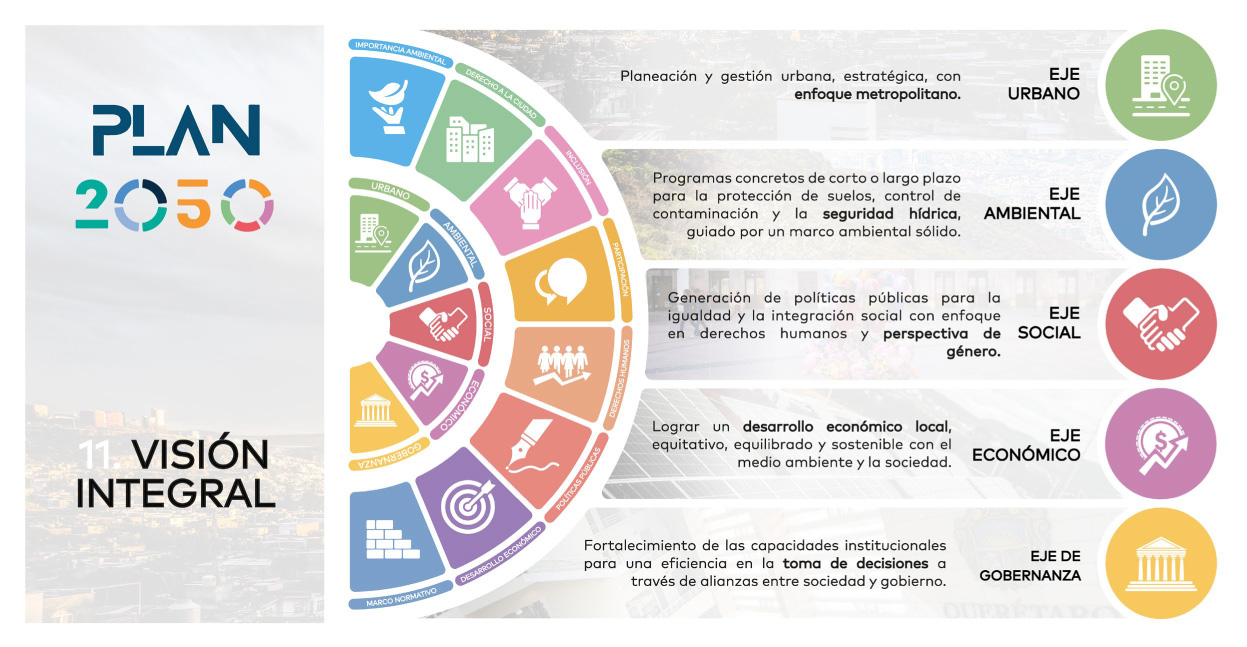
The Querétaro 2050 Plan is recognized as an actionable proposal derived from the initiatives included in the Q500 Strategy, approved by the Municipality of Querétaro in an Extraordinary City Council Session on March 6, 2021.
Through IMPLAN’s official website http://implanqueretaro.gob.mx, users can consult the Querétaro 2050 Plan, as well as the territorial strategy for the Urban Prosperity Index in Querétaro.
In 2024, IMPLAN carried out several actions, including the following:
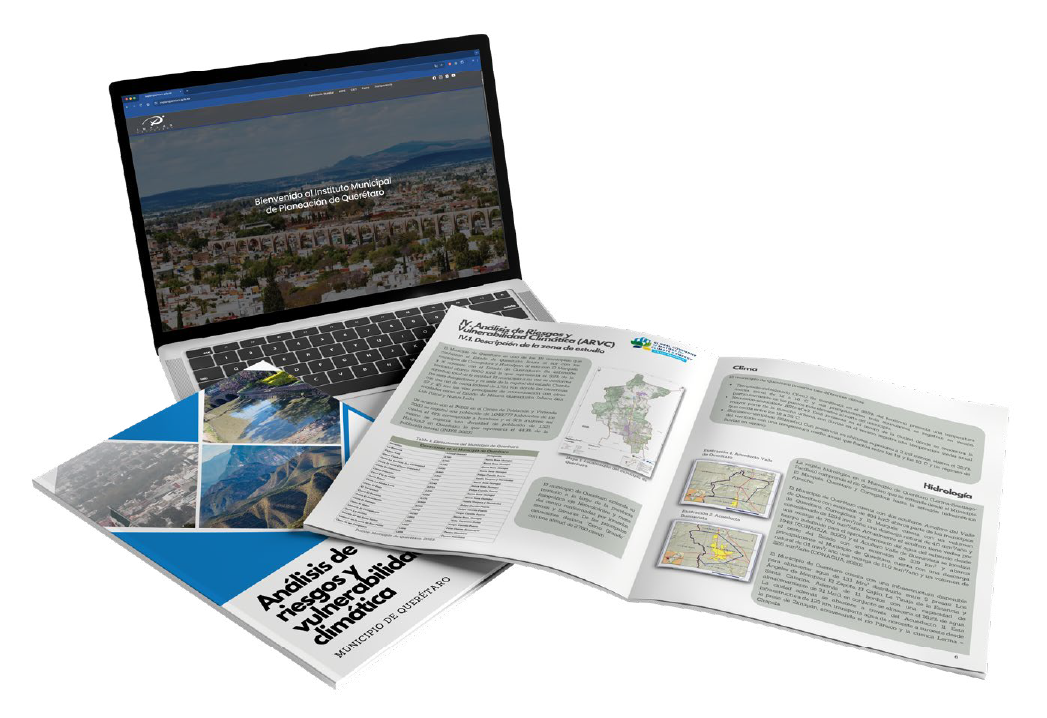
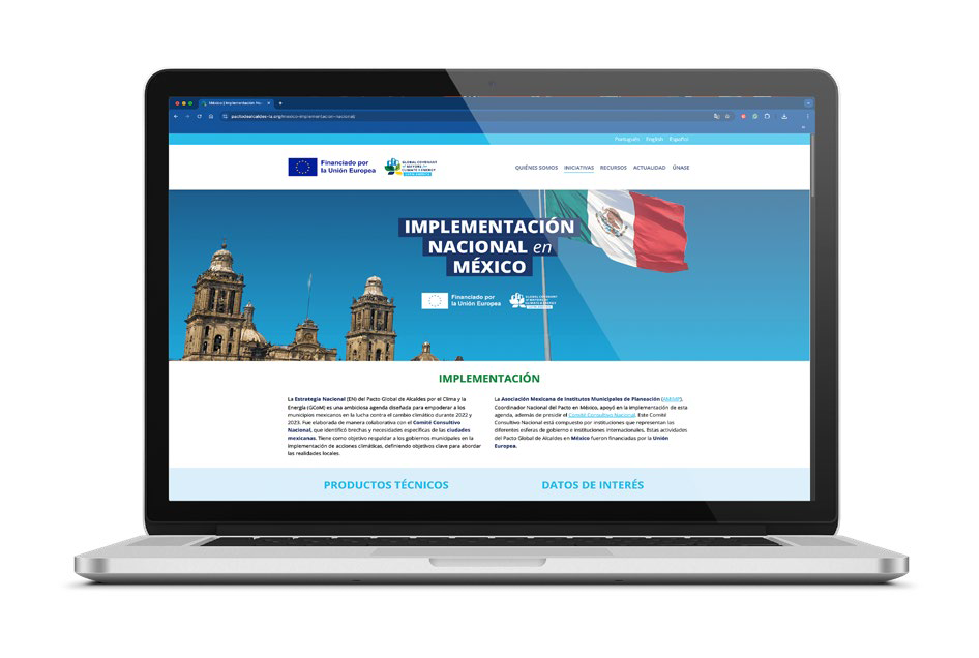
In 2024, Querétaro actively participated in the Mexican Association of Municipal Planning Institutes (AMIMP) and in the European Union initiative known as the Global Covenant of Mayors for Climate and Energy—an international alliance of cities and local governments voluntarily committed to fighting climate change. The document can be accessed at: https://pactodealcaldes-la.org/mexico-implementacionnacional/
A nationwide exercise was conducted with the goal of generating and updating environmental planning instruments through the development of the Climate Risk and Vulnerability Analysis (ARVC). This process involved identifying and classifying climate threats, assessing their level of vulnerability, determining the degree of territorial risk, and evaluating the adaptive capacity to face them.
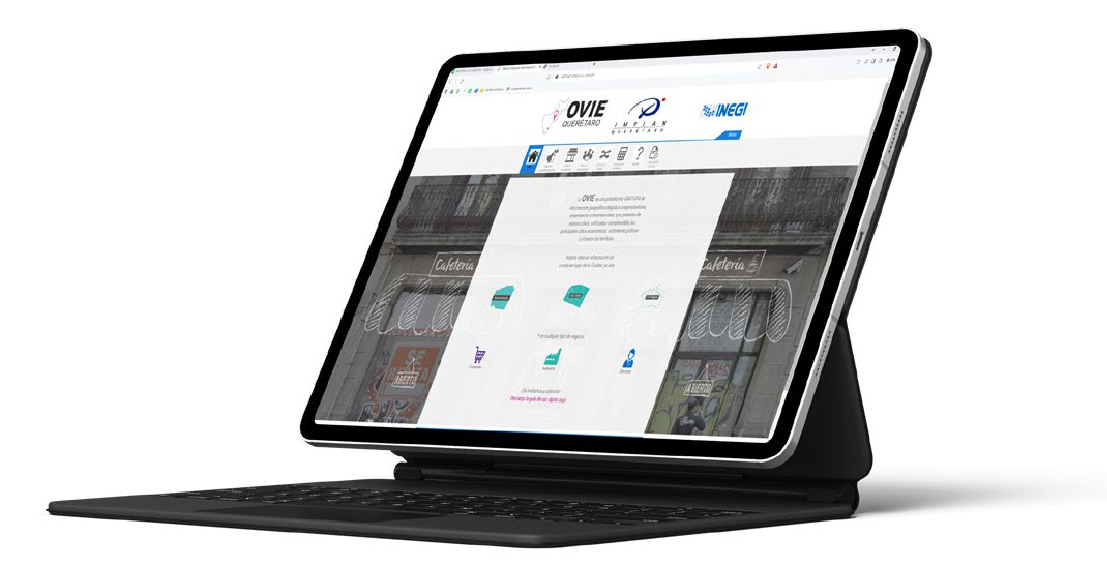
This is a free platform for territorial analysis, created through a collaboration agreement between IMPLAN and the National Institute of Statistics and Geography (INEGI). It serves as a tool to support economic decision-making. Through this platform, users can access the municipality’s economic map and consult information on the social, economic, and urban context, as well as the types of businesses established in the area.
This is a long-term strategy that incorporates the programs, actions, and goals implemented through the 2021-2024 Municipal Development Plan. To ensure its proper execution, it is being carried out in coordination with the Secretariat of Planning and Citizen Participation of the Municipality of Querétaro.
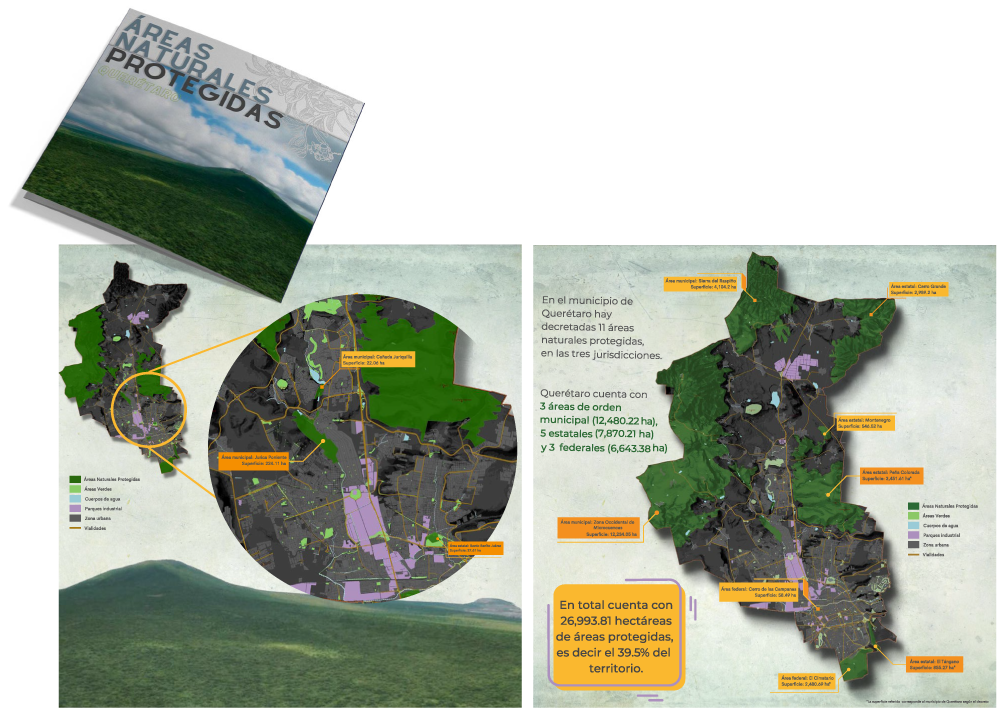
Various infographics have been developed on territorial topics related to the Municipality of Querétaro, with the goal of clearly, accessibly, and visually communicating key information on protected natural areas, traditional neighborhoods, and urban reserves. These materials help bring technical data closer to the public and support informed decision-making.
These are zones that require preservation and restoration. In the northern area of Querétaro, 16 sites with archaeological remains have been identified, safeguarding the territorial memory and identity of predecessor populations. Particularly noteworthy are the Cimatario and El Tángano areas, which, in addition to their historical and environmental value, are iconic aesthetic and scenic references upon entering the capital city.
To highlight their cultural and historical significance and their development over time, an infographic was created focusing on the traditional neighborhoods of the Historic Center delegation. Their customs, festivities, and cultural activities have been preserved to this day, despite the urbanization process. The infographics include historical data, origins, and demographic characteristics of each neighborhood.
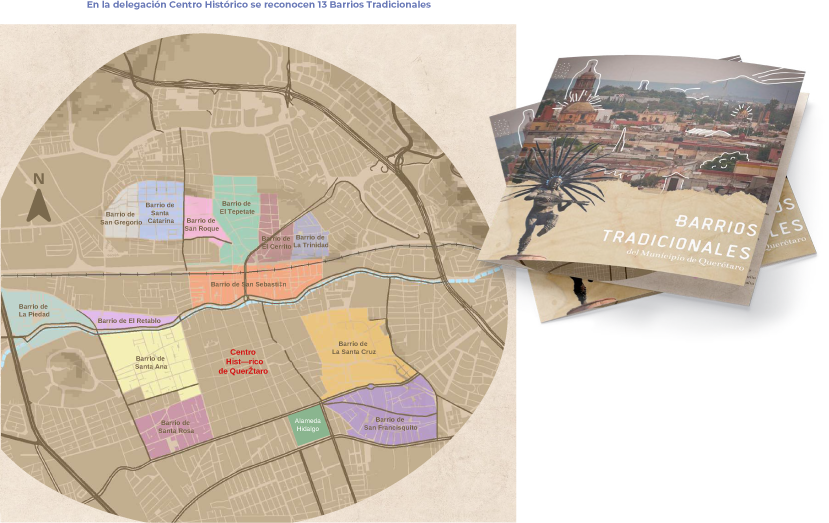
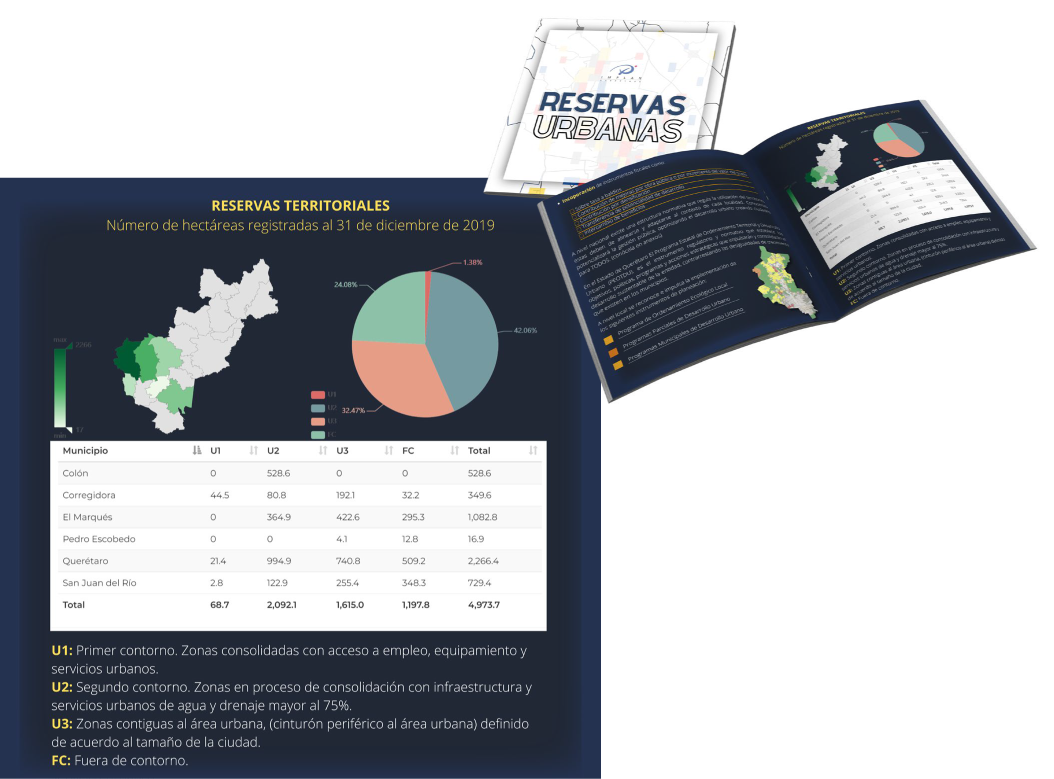
The infographic Territorial Reserves Strategy for Housing aims to curb unplanned urban growth and promote efficient use of land and existing infrastructure.
Through coordination among the 3 levels of government, the goal is to regulate and optimize urban and residential development.
To achieve the above, two key points are highlighted:
1. Updating urban development plans to regulate city growth and establish regulatory guidelines for social housing, such as minimum surface area and the promotion of sustainability in construction.
2. Adjusting urban regulations to incorporate vertical housing typologies in support of densification strategies and as an alternative to the sprawling city model.
The territory of Querétaro can be classified into 4 zones:
1. Consolidated area, with access to employment, facilities, and urban services.
2. Area in the process of consolidation, with infrastructure and urban service coverage—such as water and sewage—in over 75%.
3. Area adjacent to the urban zone, referring to the city’s peripheral belt, defined based on city size.
4. Outside the designated area, which lies beyond the established boundaries for urban development.
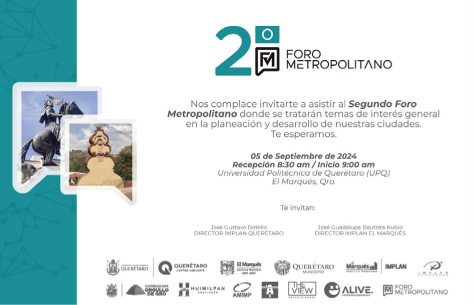
On September 5, 2024, the Second Metropolitan Forum was held, with the participation of the elected municipal presidents of Corregidora, El Marqués, Huimilpan, and Querétaro, as well as the Ministry of Planning and Citizen Participation of the Government of the State of Querétaro.
During October and November 2024, IMPLAN collaborated with the Ministry of Planning and Citizen Participation of the Municipality of Querétaro to review the action lines. Demographic and geographic information of the municipality, disaggregated by delegation, was provided, along with support in preparing diagnostics.
This is a systematic and cross-cutting public policy aimed at generating clear regulations, simplified procedures and services, as well as effective institutions for their creation and implementation. Its objective is to maximize the value of available resources and optimize the functioning of commercial, industrial, productive, service, and human development activities for the benefit of society.
Housing is a fundamental human right and must be safe, functional, accessible, and sustainable. To ensure these conditions, the Municipality, through the Ministry of Urban Development, must coordinate orderly growth by authorizing building permits—an essential tool to ensure the legality and safety of construction projects.
During 2024, of the total permits processed, 78.1% were for residential use, 18.8% for commercial and service use, and 3.1% for industrial use.
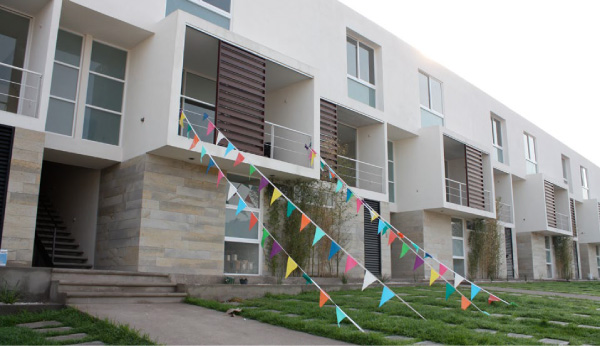
Housing is a fundamental right for family well-being; it provides security, a sense of belonging, and identity. Habitability and urban development policies should not only focus on housing construction, but also on the creation of dignified environments and cities.
The National Workers’ Housing Fund Institute (INFONAVIT) is the agency responsible for granting loans for the purchase or improvement of housing. The regional office in Querétaro reported that, in 2024, loans were approved that generated an economic impact of over 5 million pesos.
The state representation in Querétaro of the Housing Fund of the Institute for Social Security and Services for State Workers (FOVISSSTE) is responsible for providing financing to public sector workers for the purchase, construction, or improvement of housing.