Road infrastructure and ground transportation are key factors in economic development, as they drive industrial productivity and facilitate the exchange of goods in both domestic and international markets.
Transportation networks, both external and internal, are designed not only to reduce geographic distances but also to bridge social and economic gaps in order to improve connectivity and promote economic growth. The transportation system serves as a fundamental pillar of the economy.
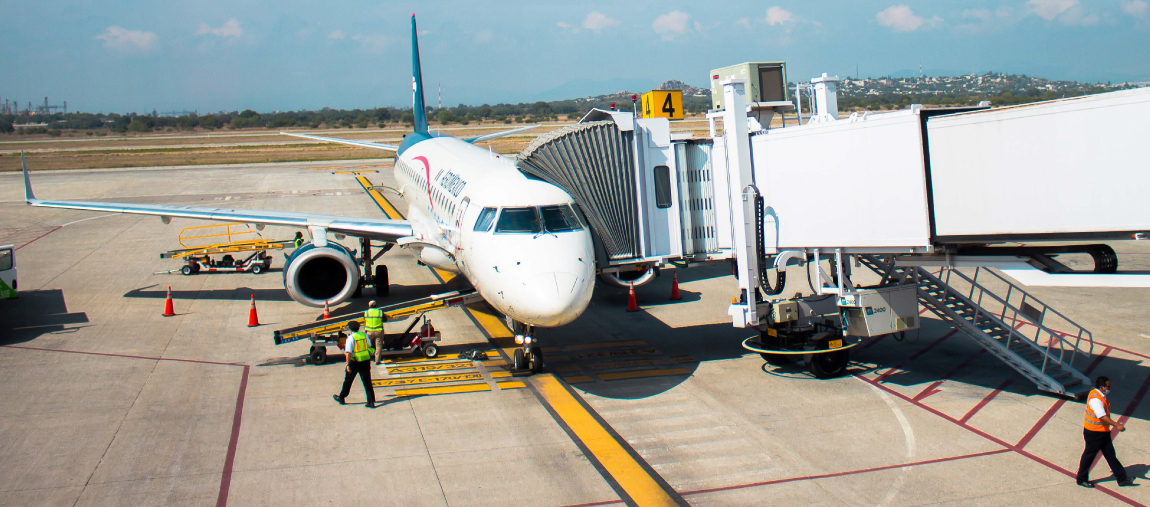
Due to its strategic location within the national territory, Querétaro has established itself as a major logistics hub. Its multimodal connectivity—through an extensive network of highways, airways, and railways—enables efficient travel to the south, north, east, and west of the country.
Under federal jurisdiction, the municipality of Querétaro has 14.0 km of toll highways and a paved road network of 131.5 km. Highways 57 and 45 serve as the main connectors to neighboring states, allowing for travel times of approximately 2 hours to Mexico City and León, Guanajuato; 4 hours to Guadalajara, Jalisco; and 8 hours to Monterrey, Nuevo León.
Located in the municipalities of El Marqués and Colón, 22.0 km from Querétaro’s capital, the airport covers an area of 688.5 km². Its main infrastructure includes:
• A 43 cm thick concrete runway, 3,500 m long and 45 m wide.
• Magnetic orientation 09-27, equipped with visual aids and a VOR/DME location system, as well as horizontal and vertical markings for daytime and nighttime operations.
• 2 parallel taxiways.
• 4 high-speed taxiways.
• 2 central taxiways angled at 45°.
• A commercial apron with 24 positions over a 125,000 m² area.
• A cargo apron with 6 positions over a 53,000 m² area.
• A general aviation apron with 35 positions over a 33,400 m² area.
Querétaro Intercontinental Airport offers a wide range of commercial services, including car rentals, taxi and bus transportation with direct routes to the terminals in Querétaro and Celaya, as well as restaurants, bars, cafés, parking, currency exchange, a local handicrafts shop, ATMs, VIP lounge, exclusive stores, and a Duty-Free zone.
The airport also houses the second-largest hangar in Latin America, operated by Delta/Aeroméxico TechOps. AIQ has an annual capacity of 1.7 million passengers and features renovated and expanded facilities.
This is the state’s main ground transportation hub, covering an area of 119,777.98 m². It includes a building for drivers with 270 beds, restrooms, showers, steam rooms, a gym, safety deposit boxes, and recreational areas distributed over 3 levels.
In 2024, the terminal recorded 508,000 bus departures: 263,000 firstclass and luxury, 122,000 regular service, and 122,000 feeder service. A total of 10 million users were transported, using 149 platforms and 191 waiting bays. The bus terminal also offered the following services:
This service is provided by Grupo Flecha Amarilla, Autovías, ETN Turistar de Lujo, Flecha Roja, Grupo Estrella Blanca, Ómnibus de Mexico, and Transportes Amealcenses.
These bus lines offer departures to the country’s main cities, covering northern, central, beach destinations, and the northern border. Key destinations include Mexico City, Guadalajara, Monterrey, Puebla, Toluca, Guanajuato, Cuernavaca, Zacatecas, Durango, Sonora, Chihuahua, Tepic, Ixtapa/Zihuatanejo, Mazatlán, and Nuevo Vallarta.
Regular and Feeder ServiceThese routes serve intermediate stops and communities in neighboring states, as well as tourist areas, municipalities, and towns in the Sierra Gorda region. Bus lines offering this service include Autobuses Apaseo el Alto, Apaseo el Alto–Celaya, Autobuses Presidente Juárez, Autotransportes San José Iturbide–Querétaro, Coordinados, Flecha Amarilla, Metropolitano, Flecha Azul, Flecha Roja, Flecha Verde, Grupo Estrella Blanca, Herradura de Plata, Transportes Amealcenses, and Transportes Coroneo.
The growth of the city of Querétaro has led to increased demand for solutions that allow residents to move quickly and efficiently throughout their daily activities. As a result, mobility has become a key pillar in strengthening competitiveness, through safe, high-quality, accessible, affordable, sustainable, innovative, convenient, and sufficient transportation options.
The Ministry of Mobility plans, designs, manages, and implements public policies that offer the public more agile and safer travel alternatives aimed at improving quality of life, through regulations, plans, programs, projects, and specialized studies. In 2024, the Free School Transportation Program was maintained, helping to reduce traffic congestion during school start and end hours. The bus system provided transportation for students from 4th grade in elementary school to 3rd year of middle school, as well as for university students, teaching staff, and administrative personnel, with service to various areas of the city.
Through its four service models, the program supported household economies across Querétaro, benefiting 1,251 new users from the municipality’s seven delegations:
1. Basic Education School Transportation. In 2024, 43 buses were used to provide service to 101 schools in the municipality.
2. Free University Transportation. This service offers a safe and efficient alternative for students, faculty, and administrative staff from high schools and universities who need transportation during evening hours. In 2024, it served 10 universities and 3 high schools through 20 routes.
3. Home-to-School Transportation. This service was provided to 6 private schools at an additional cost of 10.0% on top of tuition fees, helping to reduce vehicle traffic through the operation of 14 buses.
4. Acercándote Program. This program provided free transportation in support of families living in the capital. With 30 units in operation, it covered 13 routes from Monday to Friday between 6:00 a.m. and 9:00 p.m., and on Saturdays from 6:00 a.m. to 5:00 p.m.
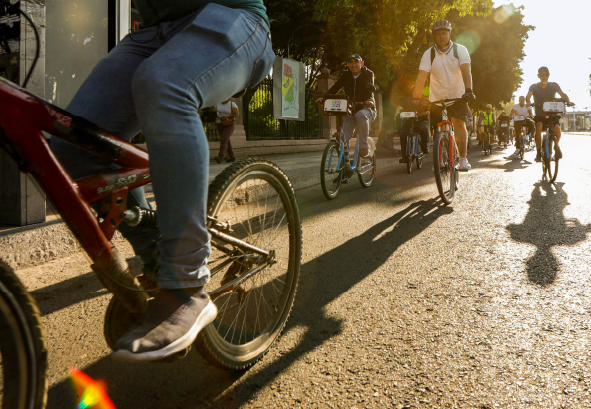
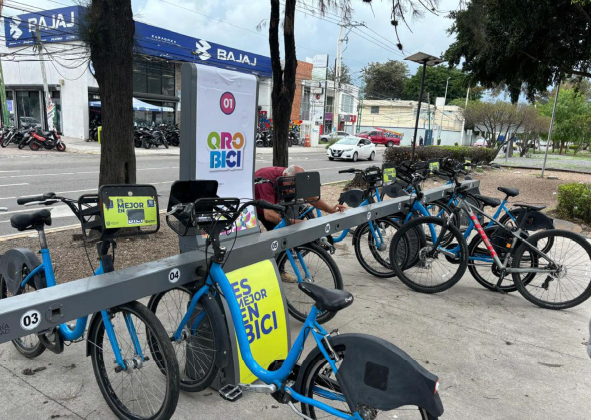
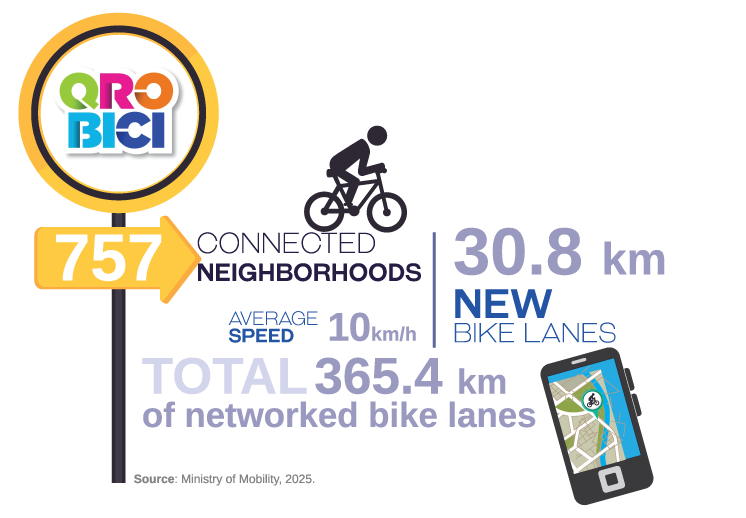
The municipality of Querétaro has an alternative transportation system using non-motorized vehicles, known as QroBici, which facilitates travel between stations strategically located in the city’s downtown area.
In 2024, mobility infrastructure was present in all seven delegations of the municipality, with the highest concentration in Félix Osores Sotomayor, accounting for 27.1%. These efforts promote the use of alternative means of transportation and contribute to building a cleaner city with less traffic congestion.
Access to education is a fundamental human right, a driver of development, and one of the most effective tools to reduce poverty, improve health, promote gender equality, and foster peace and stability. It is also a key factor in ensuring equity, inclusion, and access to higher income levels.
The National Development Plan 2025–2030 aims to ensure the full exercise of the right to inclusive and equitable education for children, adolescents, youth, and adults through a humanistic, scientific, intercultural, multilingual, and comprehensive educational approach that contributes to the well-being of the population and the country’s development.
The Ministry of Public Education is responsible for dignifying school facilities, while the Federal Executive, the Congress of the Union, and the National Teachers Union are engaged in an ongoing dialogue to build a new legal framework for education.
The Municipal Development Plan 2024–2027, under Axis 2: Modern and Innovative Querétaro, sets forth the promotion of educational development in society as a line of action, with the goal of expanding access to broader and improved opportunities.
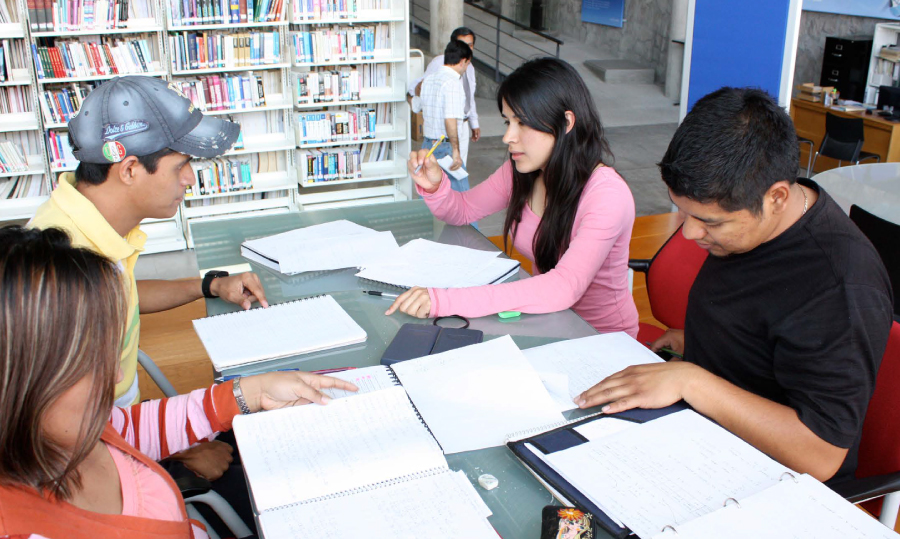
These institutions offer a variety of free services and resources to local residents, aiming to guarantee access to reading, as well as to various media and sources of information and knowledge. They provide learning opportunities, support literacy and educational processes, and contribute to the generation of ideas and new perspectives within society.
The vast majority of libraries in the country are public. They are mainly located in municipal seats, although they are also present in small communities, where they serve as a central part of cultural life and are consolidated as essential institutions for meeting the information needs of the population.
Financial incentives were granted to middle school, high school, and undergraduate students enrolled in public schools who demonstrate a satisfactory level of academic performance and reside in the municipality of Querétaro under conditions of vulnerability.
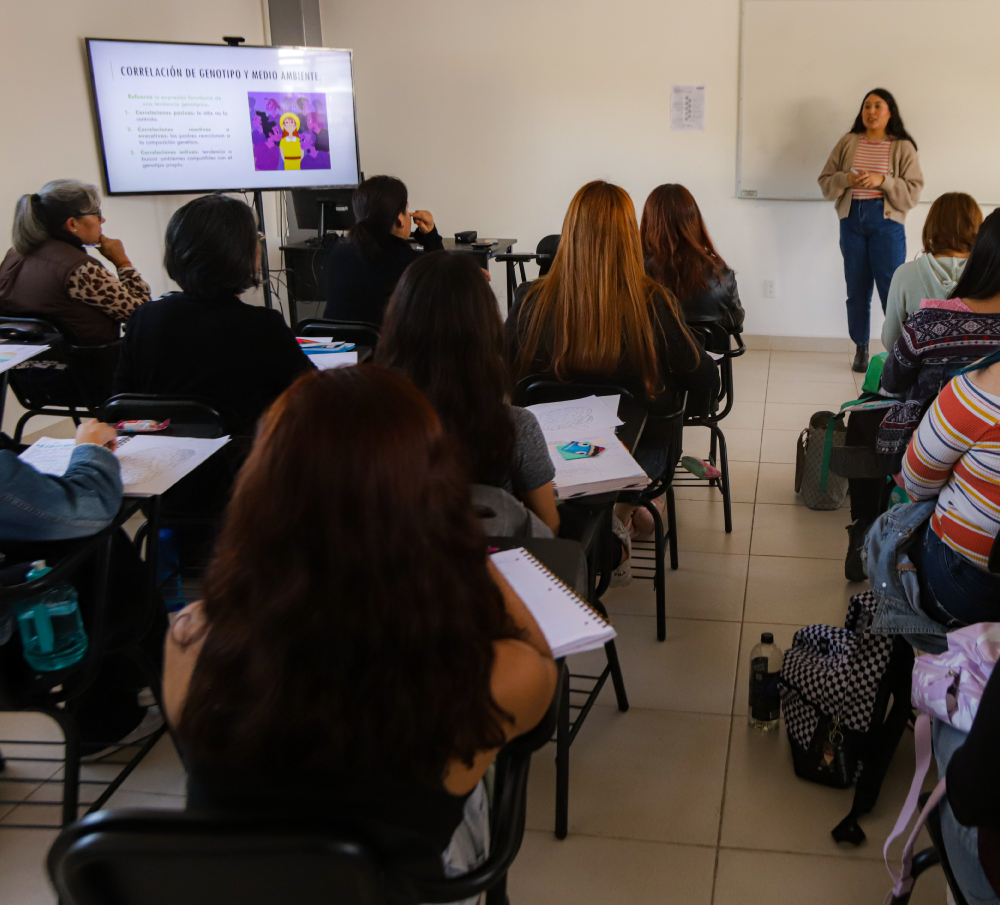
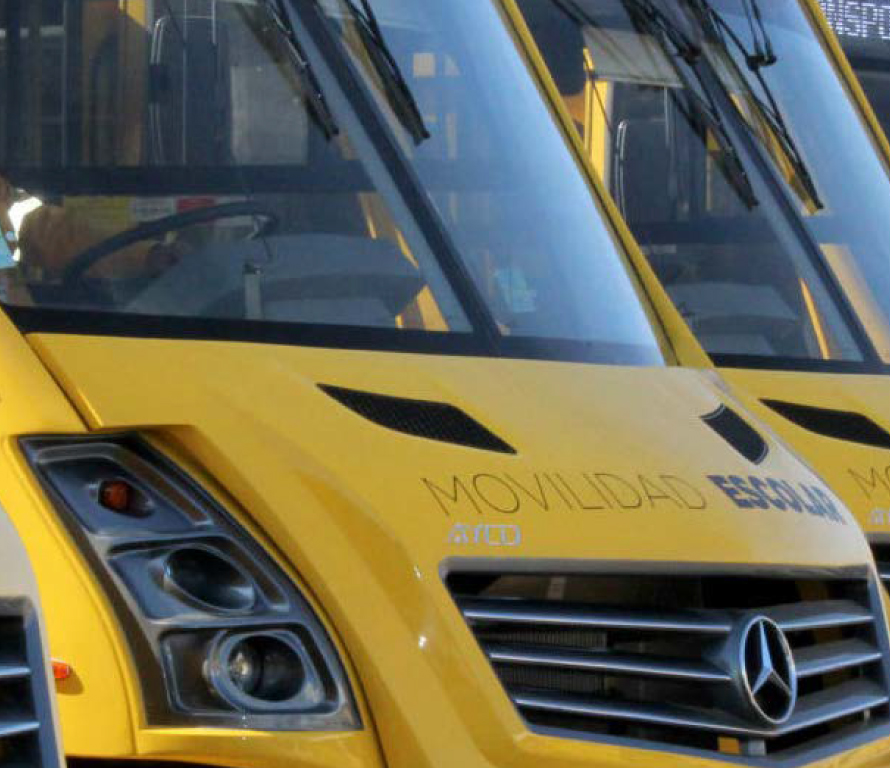
School mobility is a key tool for ensuring student well-being and providing peace of mind to mothers, fathers, and guardians by reducing traffic congestion in school zones during peak hours. This service represents a safe and cost-effective alternative for transporting students, benefiting families across the municipality.
The Municipal Secretariat of Planning and Citizen Participation of Querétaro promotes actions to ensure that students at the elementary, upper secondary, and higher education levels have access to dignified, safe, and adequate facilities that support their academic and personal development. This work is complemented by a strategy of active and co-responsible social participation by parents and guardians, aimed at achieving the common good in the educational sphere.
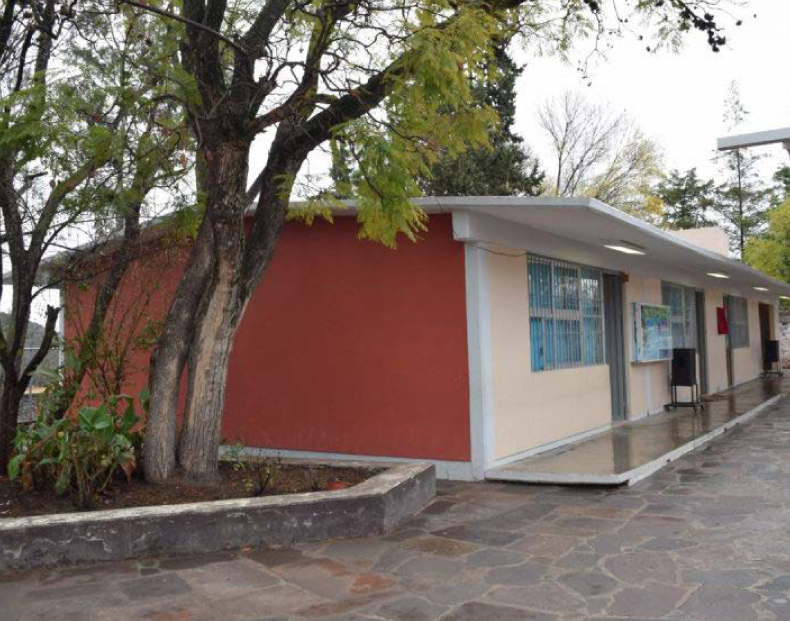
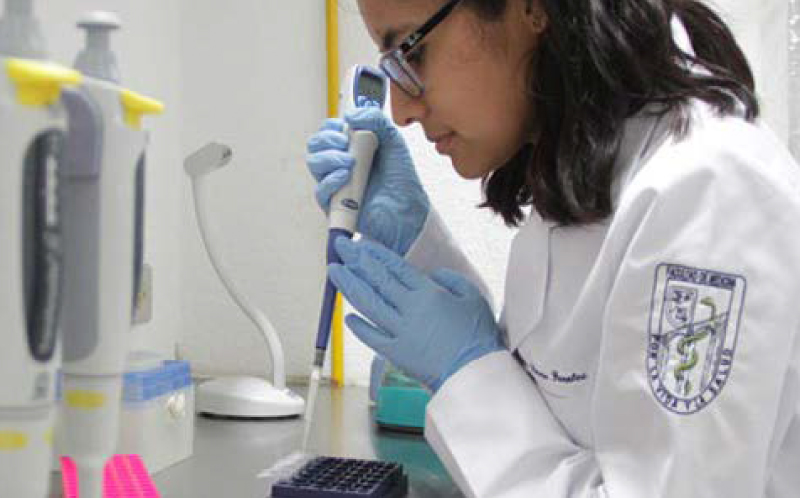
Research centers are essential for scientific, technological, and social progress, as they facilitate the generation of knowledge, innovation, professional development, and the training of specialized human capital. They also contribute to solving practical problems, adapting foreign technologies to local contexts, and improving the quality of education.
The National Council of Science and Technology (CONACYT) is the Mexican government institution responsible for establishing public policy in the areas of humanities, science, technology, and innovation. This agency promotes basic science and frontier research by defining priority agendas aimed at understanding and addressing major challenges in areas such as health, energy, water, toxic substances, food, human security, housing, socioecological systems, education, and culture.
A healthy work environment must ensure accessible conditions, recognize each individual’s capabilities and skills, minimize differences and barriers, and provide tools for health promotion and disease prevention.
Companies should be primarily invested in guaranteeing a healthy work environment for their employees, as this issue is becoming increasingly relevant in labor legislation across various countries. It is also a strategic decision, as a positive organizational climate provides direct benefits for productivity and institutional performance.
According to Article 15 of the Social Security Law, employers are required to report to the Mexican Social Security Institute (IMSS) the hiring and termination of their employees, salary modifications, and other related information. In the state of Querétaro, during 2024, of the total number of insured individuals, 66.5% were permanent workers, 13.2% were temporary workers, and 20.3% were classified as special workers.
The National Institute of Statistics and Geography (INEGI) conducts the National Survey of Occupation and Employment (ENOE), the main source of information on Mexico’s labor market. This survey provides monthly and quarterly data on the labor force, employment, labor informality, underemployment, and unemployment.
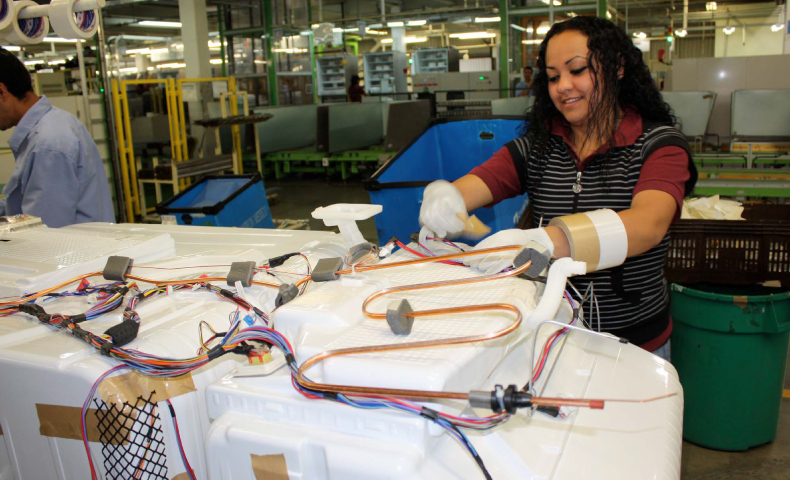
As of the fourth quarter of 2024, the EAP in the city of Querétaro recorded a 10.1% increase compared to the same period of the previous year (554,795). The employed population grew by 6.1%, while the unemployed population decreased by 6.8%. The unemployment rate in the city was 2.1%, equal to the state rate and below the national rate, which stood at 2.6%. The EAP consisted of 285,072 women (46.7%) and 325,789 men (53.3%).
The following chart presents a comparison between the fourth quarter of 2020 and the same period in 2024, showing a 44.6% increase in the Economically Active Population (EAP), maintaining a steady upward trend year over year.
Of the total employed Economically Active Population (EAP), 46.7% are women and 53.3% are men. By age group, 28.3% are young people aged 15 to 29; 64.0% are adults aged 30 to 59; 7.6% are older adults aged 60 and over; and 0.1% did not specify their age.
INEGI defines it as the percentage of the Economically Active Population (EAP) that is unemployed but actively seeking work. As of the fourth quarter of 2024, 44.3% of the unemployed population were women and 55.7% were men. By age group, 54.4% were young people aged 15 to 29, and 45.6% were adults aged 30 to 59.
The Employment Promotion Department, under the Economic Development Directorate, provides direct assistance and guidance to individuals seeking employment, offering placement opportunities based on job openings provided by companies.
In 2024, there was an increase compared to the previous year in both the number of individuals placed and the number of job seekers, with increases of 32.0% and 116.2%, respectively. In contrast, the number of job openings posted showed a 32.0% decrease during the same period.
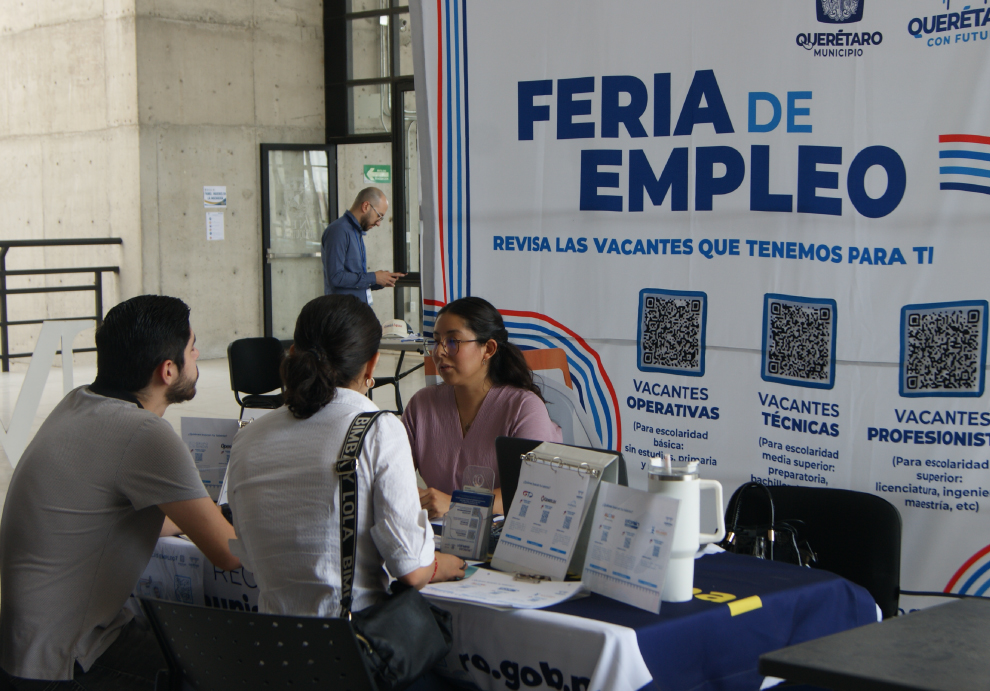
The National Employment Service (SNE) is a nationwide public institution that provides free and personalized assistance to individuals seeking employment and to employers in need of qualified personnel. The SNE supports the promotion and dissemination of job openings, recruitment and candidate selection processes, as well as the labor inclusion of individuals who face greater barriers to accessing decent employment.
Entrepreneurship is the independent initiation and development of a business, driven by one or more individuals, with the potential to grow into a formal company by increasing its workforce, resources, and profitability levels. In the municipality of Querétaro, there is currently a significant number of entrepreneurs with the initiative, resources, and knowledge needed to develop new businesses. The Municipal Entrepreneurship Office of Querétaro carried out various actions to support those seeking to grow, consolidate, or specialize their business projects.
All economic units must be registered, authorized, and monitored in accordance with the regulations established by the corresponding municipal authority. This process is formalized through the Operating License. In 2024, the Historic Center Delegation recorded the highest number of procedures— including closures, renewals, and new openings—followed by the Josefa Vergara y Hernández Delegation.
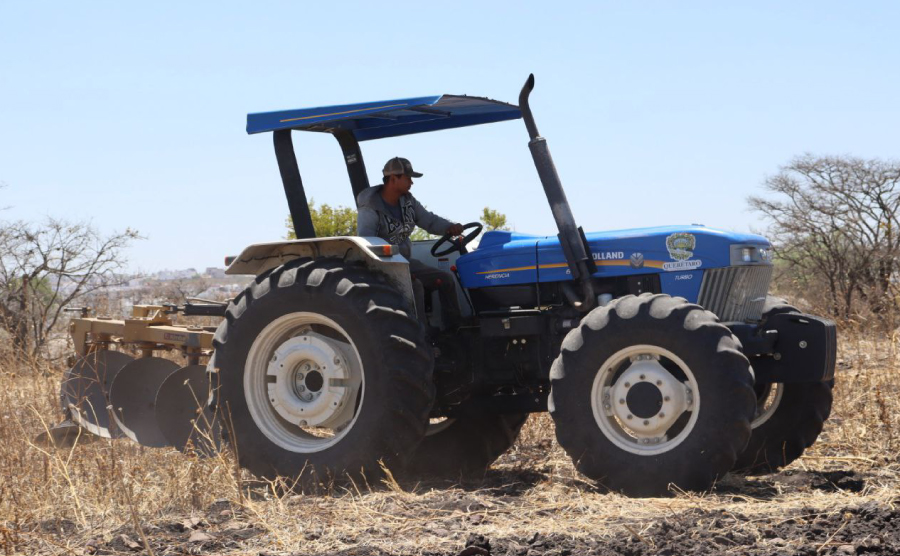
The Ministry of Agriculture and Rural Development (SADER) represents the Federal Government in agricultural matters in the state of Querétaro. Its main goal is to promote support policies that encourage more efficient production, leverage the comparative advantages of the agricultural sector, and integrate rural areas into the national economy’s production chains.
It also promotes the participation of producer organizations in its own programs and projects, aligned with the objectives outlined in the National Development Plan. To achieve this, it maintains institutional coordination with the State Government and municipalities.

The Municipality of Querétaro has a solid tourism infrastructure that allows it to receive visitors year-round. Its calendar of ongoing activities and festivals positions it as an attractive destination for a variety of traveler profiles. Thanks to its wide range of lodging options, it has become one of the most in-demand non-beach destinations for both national and international tourists.
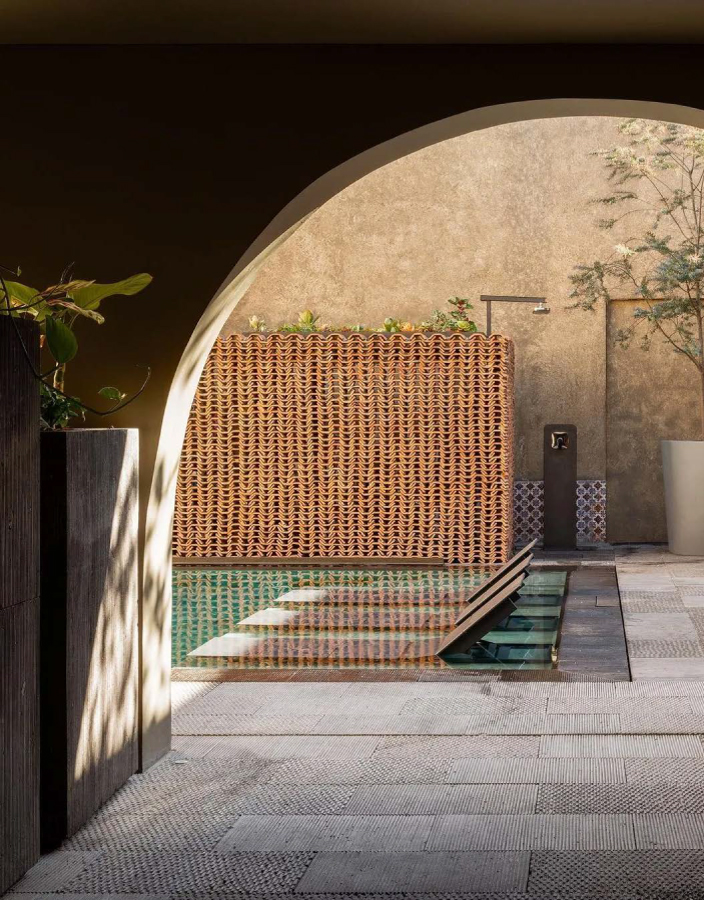
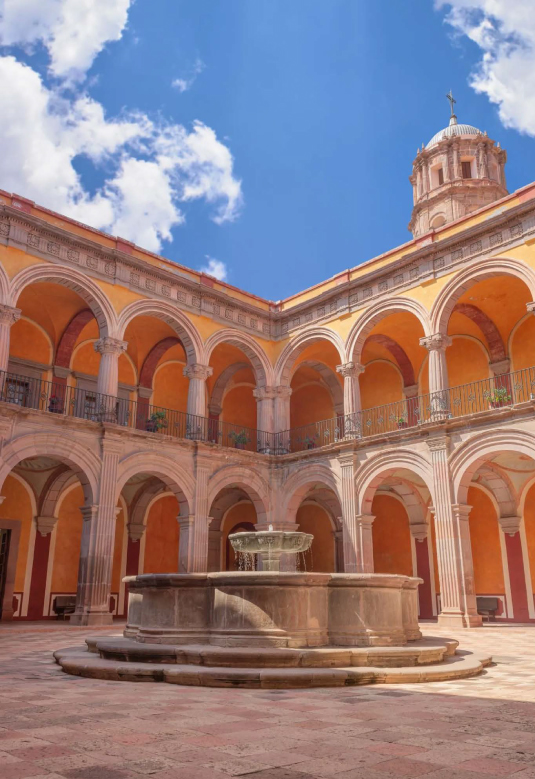
The municipality boasts vast historical wealth; it is home to more than 1,400 cataloged monuments, including 20 religious structures and 15 designated for public services. It also preserves deeply rooted traditional neighborhoods such as La Otra Banda “El Tepe,” La Santa Cruz, San Francisquito, San Gregorio, Santa Catarina, El Cerrito, La Trinidad, San Sebastián, La Piedad, El Retablo, Santa Ana, and Santa Rosa.
The Municipality of Querétaro is known for its rich cultural tradition, which is expressed throughout the year in various festivities. These civic, religious, and popular celebrations strengthen local identity and attract both residents and visitors. Among the main festivities celebrated in the Municipality of Querétaro are:
Anniversary of the Promulgation of the 1917 ConstitutionA civic commemoration held every February 5 at the Theater of the Republic, where the current Political Constitution of the United Mexican States was promulgated.
Holy WeekDuring this season, three deeply rooted traditional religious expressions are celebrated: the Procession of Silence, the Living Stations of the Cross, and the Burning of Judas, all of which gather the community in different areas of the Historic Center.
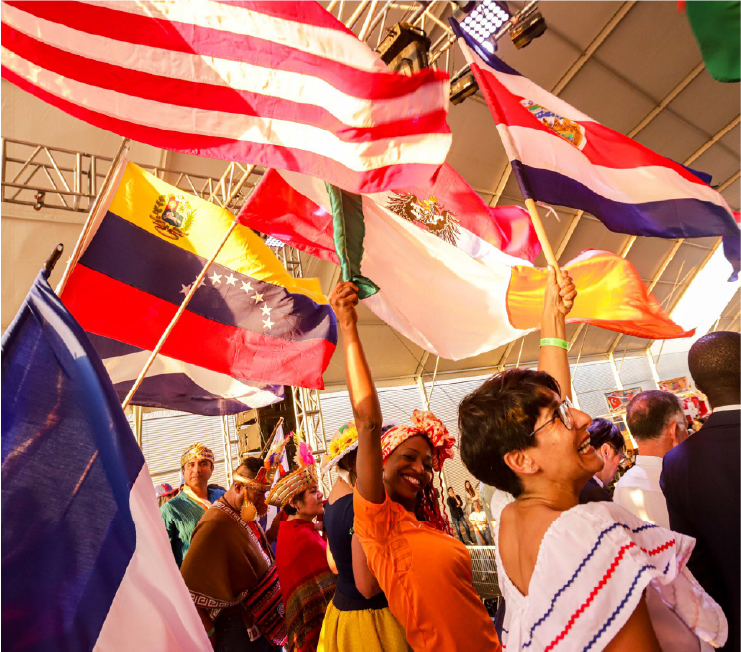
Foreign Communities FestivalA multicultural event that promotes the artistic, cultural, and social expression of migrants from various nationalities who reside in the municipality. It takes place over four days in October and has had 16 previous editions.
Night of MuseumsA nighttime tour during which museums and galleries in the Historic Center open their doors with a special program including film, exhibitions, workshops, and artistic performances. It is held on May 18, from 6:00 PM to 10:00 PM.
International Summer Jazz FestivalA series of concerts, workshops, master classes, and film screenings featuring local, national, and international groups. It takes place during the months of June and July.
An international gathering that promotes literature, thought, dialogue, and ideas, with an inclusive program aimed at all types of audiences. It is held in September.
Feast of the Holy Cross of MiraclesA traditional celebration that takes place in the neighborhood of La Cruz. The main day is September 14 and includes religious ceremonies, dances, and popular expressions.
Mexican Independence Day CelebrationsA commemoration of the beginning of Mexico’s War of Independence, celebrated on September 15 and 16 with civic and cultural activities in the plazas of the Historic Center.
Mexican Revolution Day CelebrationsFestivities that commemorate the 1910 revolutionary movement. These take place throughout November in various plazas of the Historic Center.
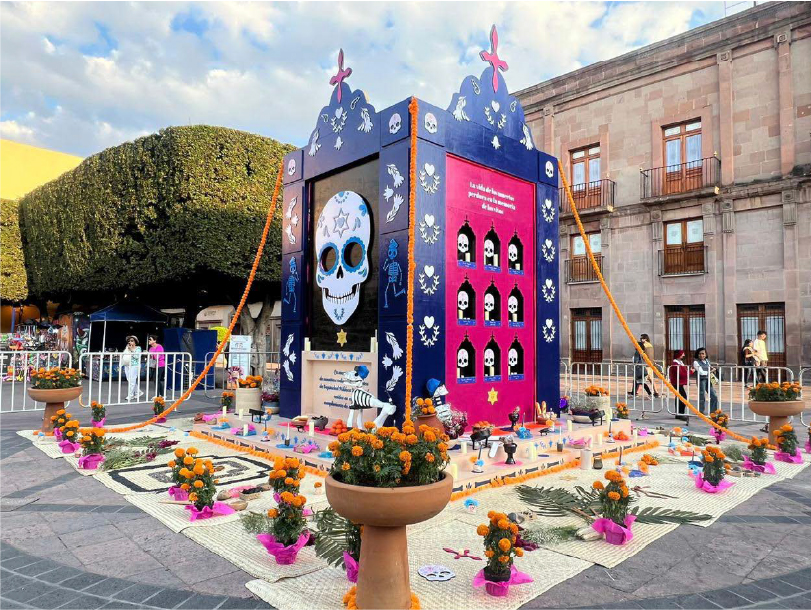
Day of the Dead FestivitiesA celebration with ancestral roots that lights up the city each November with altars, offerings, parades, folk art, and expressions that blend mysticism and tradition.
Christmas ParadeA parade of themed floats that travels through the streets of the Historicn Center on December 23, starting at 8:00 PM.
Biblical Christmas FloatsA traditional Christmas parade featuring floats inspired by biblical passages such as “Noah’s Ark,” “King
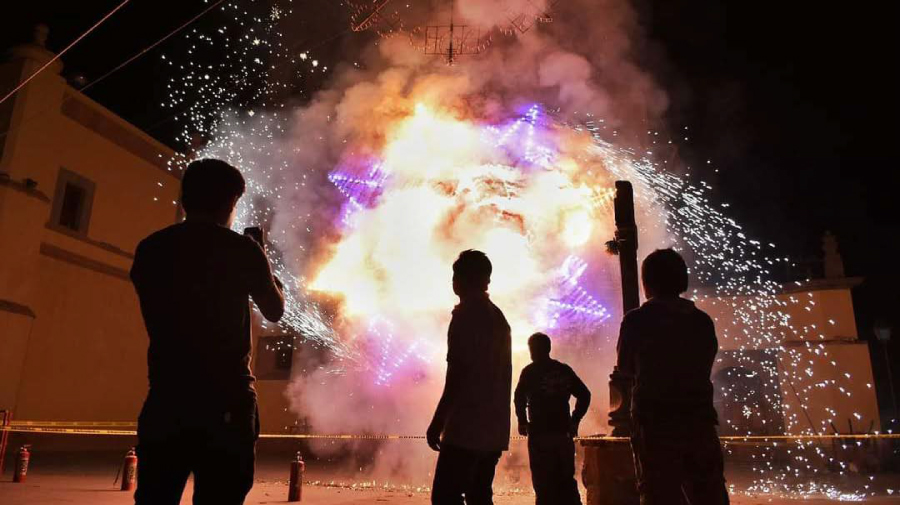
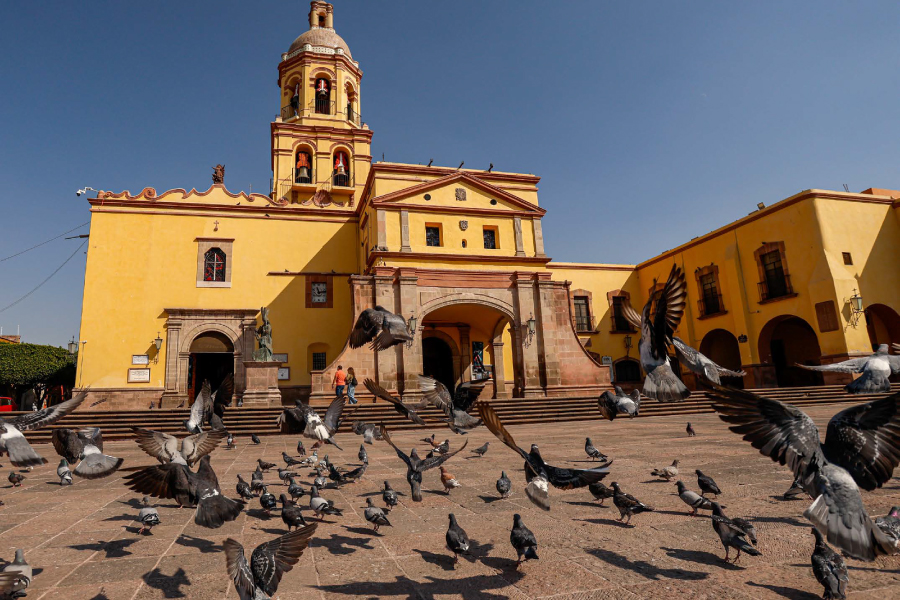
Various activities were held at iconic locations in the Historic Center, such as Jardín Guerrero, where an altar dedicated to the occasion was installed; the Alameda Hidalgo bandstand, which featured a themed artistic intervention; and Andador Madero, which was decorated with catrinas and flowers. A monumental altar stood out, dedicated to members of the Municipal Public Security Ministry who fell in the line of duty, honoring their bravery and sacrifice in protecting the people of Querétaro.
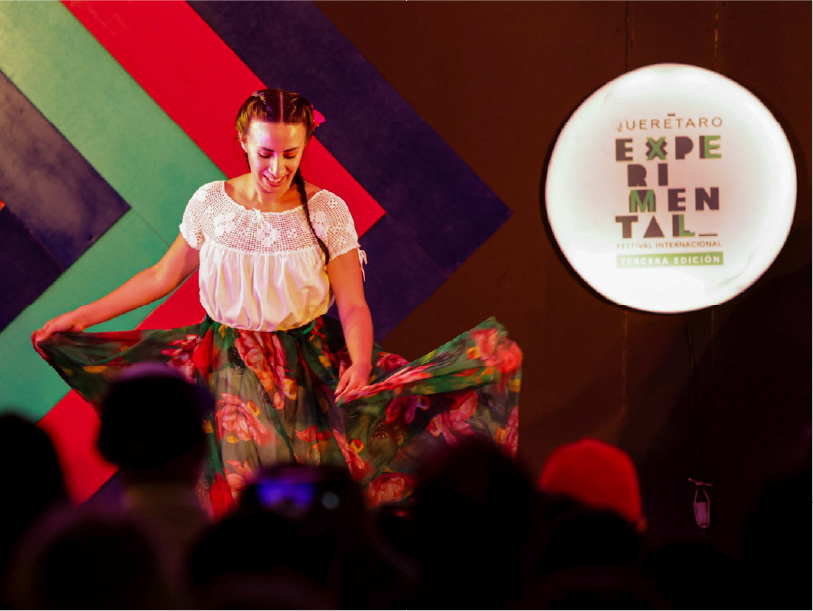
Held beginning June 7, 2024, the festival featured 115 artistic and cultural performances over 11 weekends at various locations throughout the city. The closing ceremony took place on August 17 with a tribute to artist Rufino Tamayo. This third edition recorded an attendance of 450,000 people and an estimated economic impact of 534 million pesos.
As part of its sixteenth edition, an international caravan was held at Bicentennial Park, where representatives from various countries paraded through the grounds, accompanied by an exhibition of vintage and collector vehicles. Later, on February 29, the 16th Foreign Communities Festival opened at the Querétaro Congress Center, featuring handicrafts and cuisine from 62 countries. The festival concluded on March 3, and both events brought together 75,000 attendees of all ages.
2024 Tourism Training Plan – “Anfitrión Querétaro” Distinction Each year, the Ministry of Tourism implements a training program based on the needs identified within the tourism sector, with the aim of professionalizing the municipality’s service providers. In 2024, eight training modules were delivered over a period of seven months.
As part of the Municipal Development Plan and through the Sustainable Economy program, a strategy is being promoted to develop health and wellness tourism in the city. The project aims to position — at both the national and international levels, particularly in the United States — health and wellness packages that combine specific medical procedures with complementary services, including logistics, tourism, and wellness.
The city of Querétaro has the necessary infrastructure and medical capacity to welcome patients interested in health and wellness services, offering comprehensive packages that address their needs. This strategy is supported by a promotional campaign on digital media, social networks, and Google AdWords, primarily targeting out-of-town and international visitors — especially from the United States and Canada — to promote medical and wellness packages that include specific procedures and complementary services.
Querétaro’s capital city has distinguished itself by promoting tourism as a tool to foster culture, growth, and economic development. This approach has helped establish it as a national and international destination, with sufficient infrastructure not only for leisure but also in the health and wellness sector. Its extensive network of hospitals and medical specialties allows the city to offer a competitive range of services, giving it a strong position compared to other cities in the region.
The project is aimed at individuals with medical conditions or those interested in undergoing surgical procedures, originally from Mexico City, Puebla, the State of Mexico, San Luis Potosí, Guanajuato, Hidalgo, and Michoacán, as well as from U.S. cities such as Chicago, Houston, Detroit, Atlanta, and Dallas. Since the launch of the promotional strategy in healthcare institutions, consultations from 1,750 out-of-town patients have been recorded, representing a 15.0% increase compared to previous years.
During the global observance ceremony of World Habitat Day 2023, held in the city of Baku, Azerbaijan, Mexico symbolically received the keys to host the 2024 event in Querétaro. The main goal of the gathering was to engage young people in building a more sustainable urban future.
The event surpassed historical attendance records, with over 1,600 attendees and representatives from 288 cities across 88 countries registered. The Municipality of Querétaro’s Ministry of Tourism participated with a public information booth, in coordination with other municipal departments, throughout the event.
These platforms are a key tool for strengthening communication with the public and sharing activities, services, and information of public interest. The “Querétaro Ciudad” Facebook page has more than 113,000 followers, while the Instagram profile @qrociudad has 16,200 followers, consolidating an active and growing digital community.